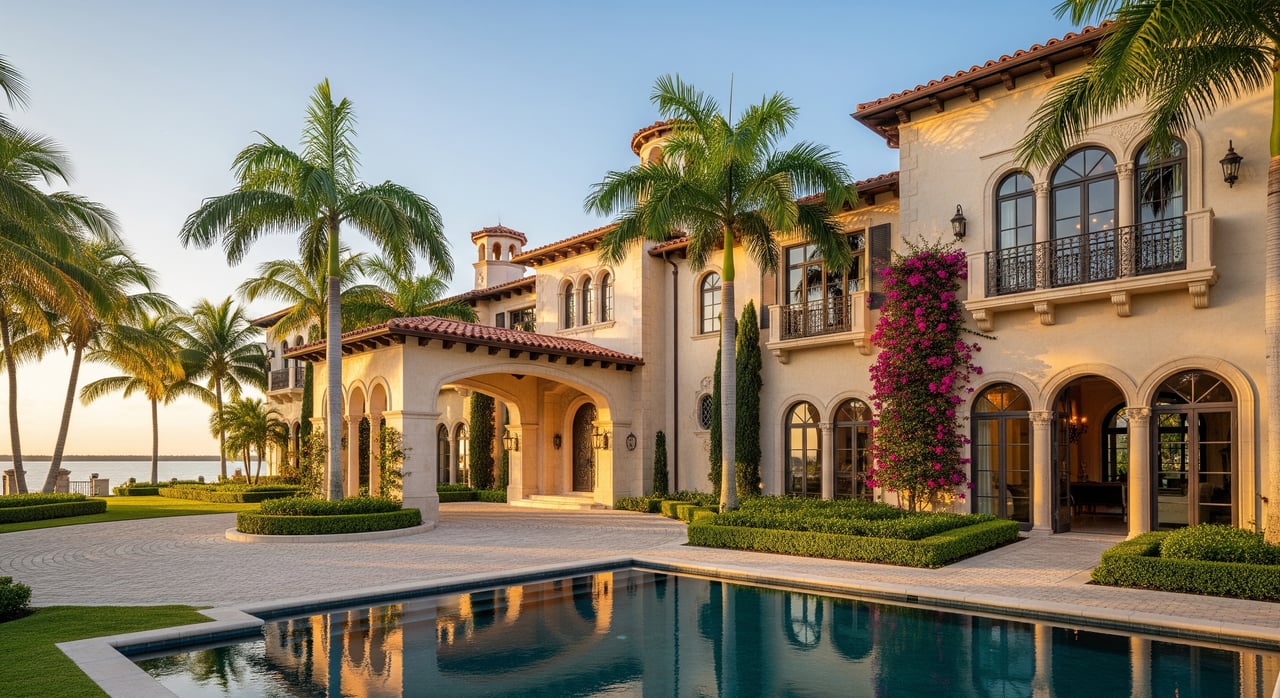
Trying to choose the perfect moment to list in the Palm Beaches can feel like aiming at a moving target. You want strong exposure, the right buyers in town, and a smooth closing timeline. The good news is that this market follows a clear seasonal rhythm you can use to your advantage. In this guide, you’ll learn how local seasonality, property type, and events shape demand, plus a simple plan to work backward from your ideal closing date. Let’s dive in.
Why timing matters in the Palm Beaches
Buyer activity in the Palm Beaches is seasonal. Many part-time residents arrive in late fall and stay through early spring, and the winter social calendar draws additional visitors. That means the market tends to be most active from late November through March or April.
The fall shoulder months can create an opening. September and October often bring fewer listings and fewer buyers, which can help your home stand out if you prepare well. Summer, especially July and August, is commonly the slowest period for non-luxury segments as travel, heat, and storm risks limit showings.
Holiday weeks can slow some segments, yet certain high-net-worth buyers still tour during the season. If your property appeals to affluent visitors, a well-timed winter launch can harness this presence.
Best months to list, by goal
Fastest sale and strong exposure
If you want the largest pool of active buyers, target January through March. Seasonal residents are in town, and correctly priced homes often move faster. This window can support multiple offers if inventory is tight.
Stand out with less competition
If your priority is exposure with fewer competing listings, consider September or October. You may face slower foot traffic, so lean on sharp pricing and polished presentation. The payoff can be meaningful visibility before winter arrivals.
Launch before winter visitors arrive
For a runway into peak season, aim for late October to November. You’ll capture early interest, maintain visibility through the holidays, and be well-positioned as seasonal buyers return in January.
Summer listing considerations
If you need to list in June through August, plan for lower buyer traffic and possible weather-related interruptions. Strong interior staging, professional photography, and thoughtful pricing can help you reach motivated movers who are not tied to the seasonal calendar.
Property type and price tier timing
Single-family and waterfront homes
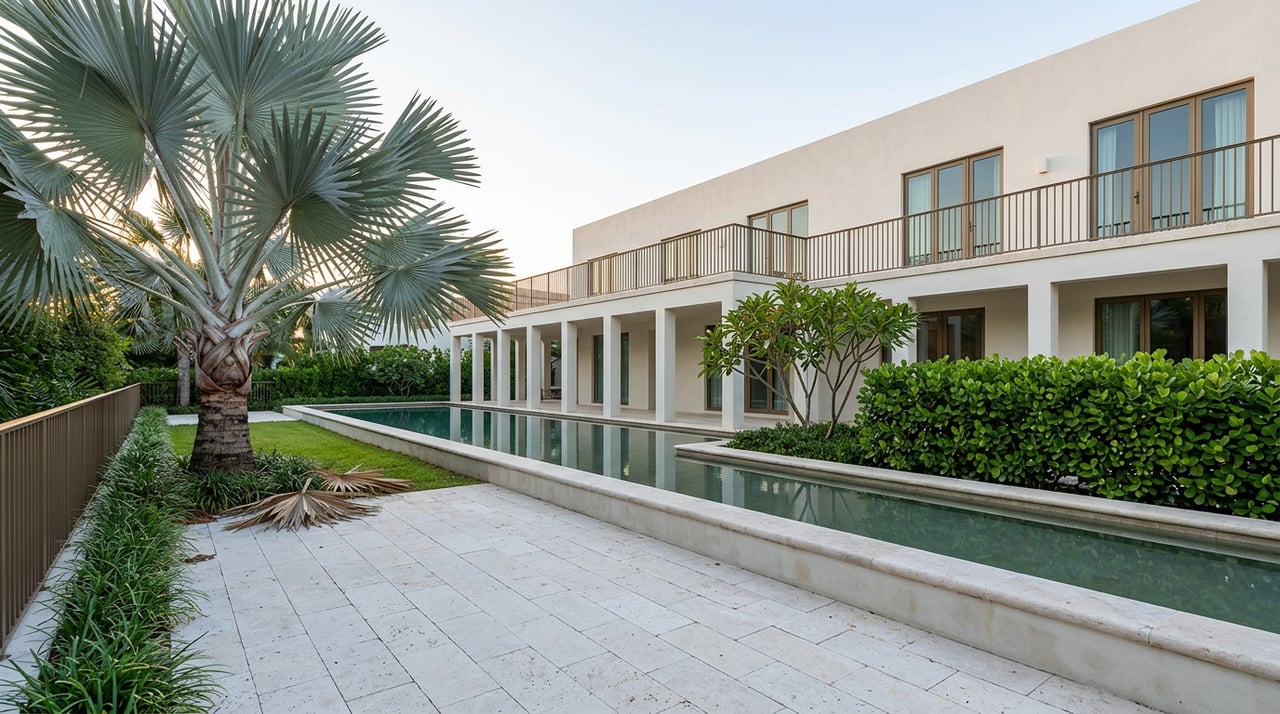
Detached homes, especially waterfront properties, benefit from the winter and early spring window. Buyers can experience outdoor amenities when the weather is at its best, and photos of pools, docks, and landscaping tend to shine.
Condominiums and seasonal buyers
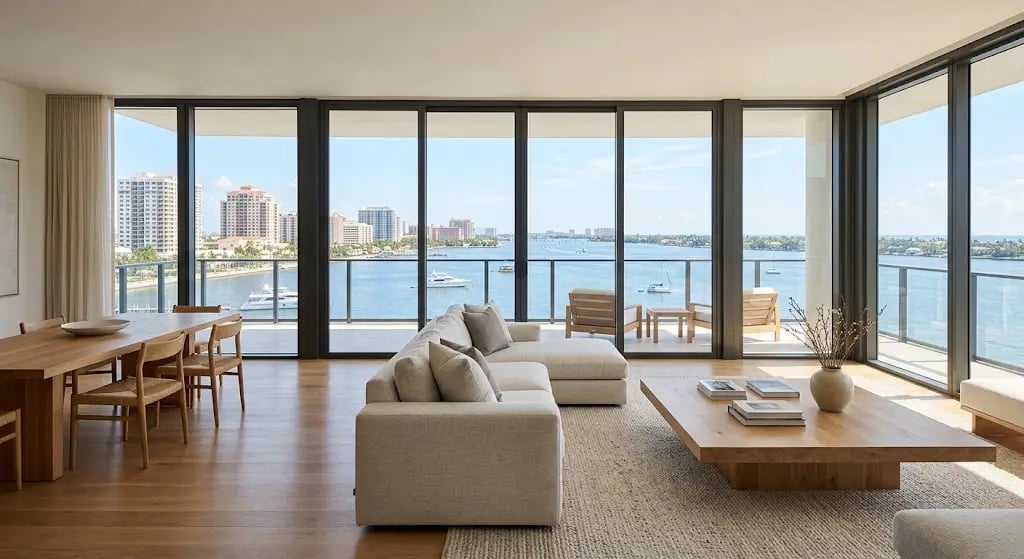
Condos popular with seasonal residents often see heightened winter interest. If your unit attracts investors or year-round tenants, your timing may also factor in rental calendars and income planning.
Luxury, island, and specialty properties
High-end listings on the island, equestrian estates, and trophy waterfront homes follow the winter social season. The buyer pool is more targeted and may require longer lead times. Align your marketing and showings with key winter events to maximize qualified exposure.
Entry to mid-price homes
These homes serve a more local and permanent buyer base. Both winter and national spring waves can matter, but inventory competition is key. In some years, listing in the fall can help you compete with fewer similar homes on the market.
Weather, insurance, and risk planning
Hurricane season basics
Hurricane season runs from June 1 to November 30, with activity often elevated in August and September. Many sellers avoid launching during active threats, and inspections or closings can be delayed by storms. Build flexibility into your plan if you list during this period.
Insurance and disclosures
Insurance availability and premiums can shift over time. Before listing, confirm your policy details and what you will disclose to buyers, especially regarding any past storm damage. Clear documentation helps streamline underwriting and protects your timeline.
Climate and presentation
Homes present best in pleasant weather. Outdoor areas look crisp in late fall through spring, and humidity is lower. If listing off-peak, focus on immaculate interiors, climate control, and maintenance that combats summer wear like mildew or algae.
Work backward from your target closing
From first day on market to closing, many sales require 45 to 90 days, depending on marketing time, negotiation, inspections, appraisal, and financing. If you want to close in early March, list in late December to give yourself the right exposure window.
Add buffer time for luxury listings and unique properties. These may require longer pre-market preparation, bespoke marketing assets, and targeted buyer outreach.
A practical pre-list checklist
Six to eight weeks before listing
- Get pricing guidance and comps grounded in local monthly data.
- Complete repairs and seasonal maintenance, especially landscaping, pool care, and exterior cleaning.
- Book professional photography. Plan lifestyle images that showcase the setting and amenities.
- Review insurance and disclosure details, including any storm-related history.
- If you plan a 1031 exchange, speak with your tax advisor and a qualified intermediary before launch.
Timing choices and trade-offs
- List in late October to November to catch early winter buyers and build momentum into January.
- List in January to March for the highest traffic in most segments.
- List in September to October for lower competition, with some hurricane-season risk.
- Avoid launching during active storm threats and prepare for weather-related schedule changes from June to October.
Marketing and staging by season
- Winter listings: highlight outdoor amenities, water access, and the ease of seasonal living.
- Off-peak listings: emphasize indoor comfort, materials, natural light, and smart layouts.
- Luxury and specialty: time private showings and targeted campaigns with the winter social calendar.
Negotiation and offer timing
- Expect faster decision cycles in winter in many segments.
- Luxury buyers may prefer bespoke terms or longer diligence windows. Align on your best outcome before offers arrive.
Event-driven opportunities for luxury listings
Winter brings a concentrated audience of affluent visitors, including equestrian, boating, and cultural communities. Strategic timing during the winter social season can accelerate exposure for high-end properties. For the right home, private events and invitation-only showings during this window can connect you with qualified buyers who are already in town.
Rate and inventory watch
Two market mechanics can influence timing. First, inventory levels. When supply is tight, listing during winter can amplify pricing power. If inventory rises, timing your launch for peak buyer presence helps avoid a long marketing arc.
Second, mortgage rates. When rates fall, demand strengthens, and seasonal peaks can become even more active. When rates rise, demand may soften, so presentation, pricing, and patience matter more.
What this means for you
There is no single month that fits every property, but the Palm Beaches favor a winter through early spring strategy, especially for waterfront, condo, and luxury segments. Use fall to prepare, launch into the seasonal influx, and work backward from your target closing.
If your home is architecturally distinctive or best experienced in person, a curated launch can make all the difference. Staging, gallery-grade imagery, and event-driven exposure during the winter season help your property stand out to the right buyers at the right time.
Ready to map the ideal window for your sale and craft a tailored launch plan? Connect with the team at Haven Palm Beach to align your timeline, presentation, and private showings with the market’s seasonal rhythm. Request a VIP Tour.
FAQs
What is the best season to list a home in Palm Beach County?
- Winter to early spring, typically January through March, when seasonal buyers are present and activity is strongest.
How do summer and hurricane season affect listing plans?
- Summer, especially August and September, brings lower traffic and weather risks that can delay showings and closings, so build flexibility into your timeline.
Do luxury and island properties follow a different schedule?
- Luxury listings align with winter social events and affluent buyer visits, and may benefit from longer lead times and targeted, private marketing.
When should I start preparing if I want to close by early spring?
- Start 6 to 8 weeks before you list, and plan to go live by late December if you want an early March closing.
Should I list in the fall or wait for winter?
- Fall can work if you want less competition and strong prep; winter typically delivers more buyer traffic and faster decisions.
How do mortgage rates and inventory impact timing?
- Lower rates and tight inventory can intensify winter demand; higher rates or rising supply may require precision on pricing and presentation.