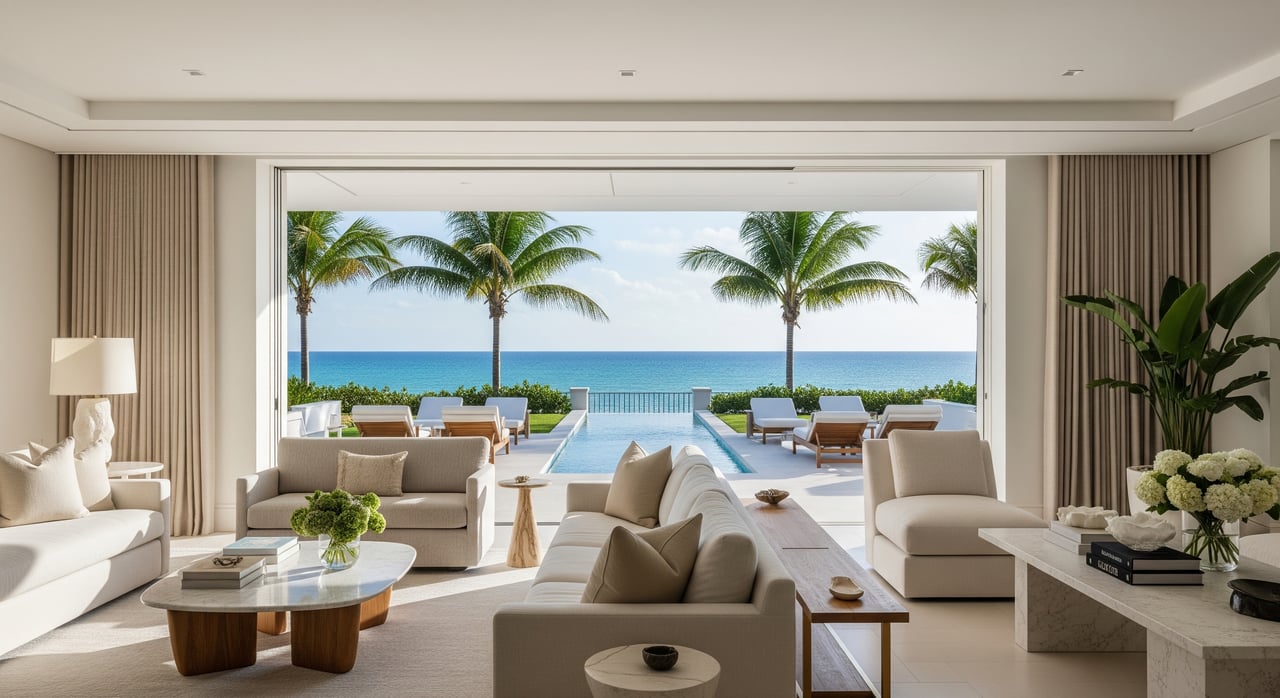
Pricing a Palm Beaches penthouse is not about averages. It is about rarity, timing, and telling the right story to the right buyer. If you are considering selling a penthouse in Palm Beach, West Palm Beach, Boca Raton, or Delray Beach, you want a strategy that protects your value while drawing in serious interest. In this guide, you will learn a boutique approach that blends data, design, and discretion to set a number that stands up to scrutiny and negotiates with confidence. Let’s dive in.
Define your buyer pool first
Before you talk price, get clear on who will buy your penthouse. The Palm Beaches attract several distinct groups, and each one influences price and timing.
- Seasonal or second-home buyers value location, views, and turn-key ease. Many shop in peak season and respond to curated experiences.
- Ultra-high-net-worth buyers value privacy, exclusivity, and may transact quietly through broker networks.
- Design-forward primary buyers are rarer on the island but more common in West Palm Beach and Boca Raton’s urban waterfront.
- Investors participate where rental rules allow income potential. Financing terms and building approvals matter more to them.
A precise buyer profile informs both your pricing range and your launch plan.
Read the Palm Beaches market
The Palm Beaches are not one market. Each submarket has its own cadence and pricing behavior.
- Palm Beach island: ultra-luxury, very limited inventory, highly seasonal showings.
- West Palm Beach: dynamic urban condo scene with growing luxury stock and more liquidity than the island.
- Boca Raton: established high-end coastal condo buildings with deep buyer pools.
- Delray Beach: boutique luxury with lifestyle-driven demand.
Seasonality matters. Buyer activity typically rises from November through April when snowbird traffic peaks. Interest rates, jumbo financing, and insurance costs can shift buyer pools, especially in condo buildings with project-level lending requirements. Monitor current inventory, days on market, and recent closings through the local MLS and Florida Realtors’ most recent monthly or quarterly reports.
Decode penthouse value drivers
Not all “penthouses” price the same. The label alone is not a number.
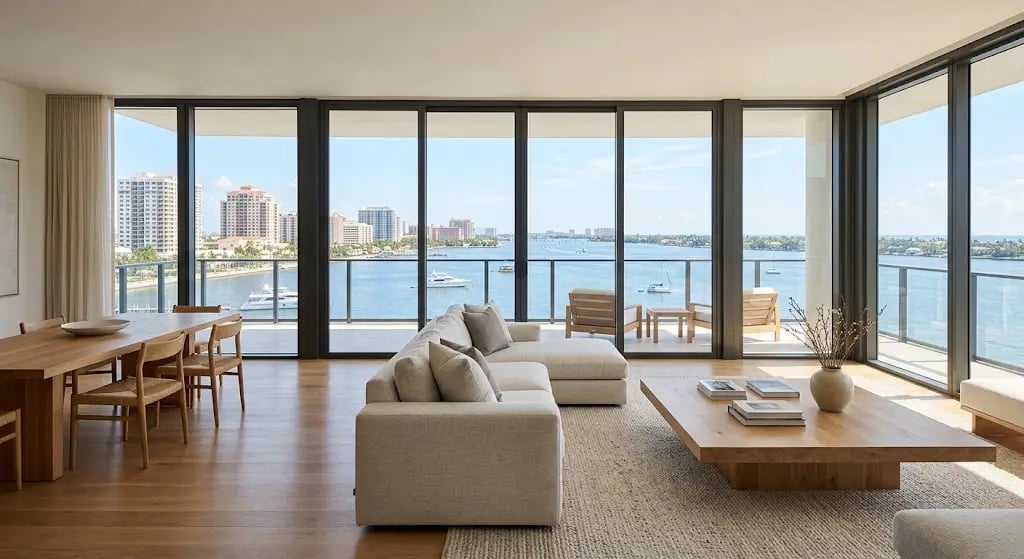
- Views and floor height. Unobstructed ocean, Intracoastal, or skyline views command premiums. Degree of obstruction and view angle matter.
- Private vertical access. A private elevator and foyer increase exclusivity and price confidence.
- Outdoor space. Wrap terraces, roof decks, and private pools add measurable value beyond interior square footage.
- Volume and light. Higher ceilings, expansive glass, and open plans elevate perceived luxury.
- Finishes and systems. Bespoke kitchens, spa baths, smart-home tech, dedicated HVAC, and whole-unit generators support a premium ask.
- Parking and storage. Deeded garage spaces, extra storage rooms, and boat slips or dock rights add appeal.
Document these features with photography, measurements, and an inventory of upgrades. Be ready to show how each item contributes to your price.
Elevate the building story
Buyers do not just purchase a unit. They buy a building’s reputation, its finances, and its future.
- Quality and brand. Newer construction or a respected luxury brand can push pricing power.
- Reserves and maintenance. Strong reserves and a clear maintenance history reduce perceived risk. Pending or recent special assessments tend to weigh on price.
- Rental and use rules. Owner-occupancy levels, rental caps, and short-term policies affect both demand and financing.
- Insurance structure. Association coverage for hazard, wind, and flood influences HOA fees and carrying costs.
Post-2021 inspection and recertification rules for condominiums are a factor, especially in older buildings. Be prepared to discuss inspection status, planned capital projects, and any associated assessments.
Build a boutique valuation
A boutique valuation blends hard data with curated positioning. Use a line-item approach instead of a broad-brush “penthouse premium.”
Gather comps. Start with closed sales from the last 6 to 12 months in the same building. If none exist, expand to immediately comparable buildings and adjust carefully for floor, views, outdoor area, renovations, and amenities.
Create an adjustment grid. Compare each comp against your unit for:
- View type and any obstruction
- Floor height
- Outdoor area and features
- Renovation level and systems
- Private elevator and foyer
- Parking and storage details
- HOA fees, reserves, and assessments
- Financing and project approval status
Weight similarity and recency. Closest matches and latest closings carry the most weight. For true penthouses, same-building sales are often the only reliable comps.
Derive a range, not a point. Establish a low-to-high band that reflects buyer pool size, building momentum, and seasonality. Your list price should align with the launch strategy below.
Choose your pricing tactic
Your pricing tactic signals who you want to attract and how you plan to negotiate.
- Market-entry premium anchor. List higher to signal exclusivity to a limited buyer pool. Pros: protects perceived value. Cons: may lengthen days on market.
- Right-priced to the top of comps. List near the market-derived high based on your adjusted grid. Pros: balanced exposure. Cons: some shoppers may expect negotiation room.
- Strategic underpricing. Price just below a key threshold to create urgency. Pros: can spark multiple offers. Cons: risky for unique penthouses with thin buyer pools.
- Off-market or pocket launch. Quiet exposure to vetted buyers through broker networks. Pros: privacy for high-profile sellers. Cons: fewer feedback loops and potentially capped upside.
- Tiered exposure. Start private, set a clear timeline, then go public on the MLS if a qualified buyer does not emerge.
Choose one approach and define your checkpoints. If you start with discretion, set a firm date to widen exposure if needed.
Use price-point psychology
High-end buyers still search in bands. Be mindful of how your price slots into filters and mental anchors.
- Sub-threshold numbers like 2.95 million can capture searches below 3 million.
- Round-number anchors like 3 million can underscore a trophy position when supported by comps.
- Consider where competing listings cluster and aim for clear differentiation.
Market to defend your number
Marketing should make your valuation obvious.
- Visuals. Commission aerials, twilight photography, and floor plans that emphasize view corridors, ceiling heights, and outdoor living.
- Collateral. Prepare a bespoke brochure that itemizes upgrades, terrace square footage, and private access features.
- Experiences. Host broker-only previews and timed private showings during peak seasonal windows.
- Distribution. Combine intimate VIP outreach with selective international syndication via luxury networks.
The goal is simple: give serious buyers the proof and the experience to say yes at your price.
Plan for inspections and risk
Florida’s climate and regulatory environment shape pricing and buyer confidence.
- Flood and elevation. FEMA flood zones and building elevation affect flood insurance access and perceptions of risk.
- Hurricane readiness. Impact glass, wind-hardening, and raised mechanicals support value and reduce concerns.
- Insurance costs. Rising premiums and deductibles can affect demand and carrying costs. Be ready with clear HOA inclusions and recent premium context.
- Recertification and structural updates. Newer inspection requirements for condominiums can lead to capital projects or special assessments. Transparency here protects your price and timeline.
Prepare the documentation early
Buyers of luxury condos move quickly when the file is clean. Assemble a complete package before launch.
- Association financials, budgets, and reserve studies
- Board minutes that reference capital projects or litigation
- Estoppel certificate details and any special assessments
- Rules on rentals, pets, and use restrictions
- Recent inspection or recertification reports and planned work
Florida’s condominium rules under Chapter 718 set expectations for disclosures and document access. Having these materials ready avoids renegotiation surprises.
Model your net to set the list
Your list price should anticipate costs that affect net proceeds and buyer perception.
- Brokerage commission based on current local norms
- Title, recording, and Florida documentary stamp tax on deeds
- Any HOA assessments or accelerated maintenance items
- Pre-sale preparation: light repairs, staging, premium marketing
Build a simple net sheet so you price with clarity and negotiate with confidence.
Time your launch
In the Palm Beaches, timing is strategy. Peak seasonal traffic often runs November through April. Align your photography, collateral, and showing plan with that window. If privacy is a priority, use a tiered approach that starts with quiet broker outreach and pivots to full exposure on a defined schedule.
Why a boutique strategy works
Penthouse supply is thin, and buyers are discerning. A high-touch approach that pairs disciplined comp work with curated presentation gives you an edge. It lets you set an assertive number and defend it with proof, experience, and discretion.
Ready to position your penthouse as a waterfront sanctuary and price for rarity, not averages? Request a private consultation or Haven Palm Beach showroom visit to explore a boutique strategy tailored to your residence.
FAQs
How much extra can a Palm Beaches penthouse command?
- Premiums vary by building, views, outdoor space, and scarcity. In many markets, top-floor or penthouse premiums often fall in the low double digits up to around 30, but your best measure is recent local closings and a line-item adjustment of features.
How do views and outdoor space affect price in Palm Beach?
- Treat them as separate value lines. Start with a price per interior square foot from comparable upper-floor units, then add measured value for terrace size and view quality, adjusting for obstruction, angle, and unique outdoor features.
Should I list high or aim for multiple offers?
- Both tactics can work. A premium anchor protects perceived value for a limited buyer pool, while slight underpricing can spark competition. Choose based on your buyer profile, seasonality, and the depth of recent comps.
How do HOA assessments and insurance impact pricing?
- Pending or recent assessments, low reserves, or rising insurance costs raise perceived risk and can compress the achievable price. Clear documentation and building-mitigation details help maintain buyer confidence.
What documents will buyers ask for in a condo sale?
- Expect requests for association financials and budgets, reserve studies, board minutes, estoppel details, building rules, and any inspection or recertification reports, along with clarity on assessments and planned projects.
When is the best time to list in the Palm Beaches?
- Activity typically increases from November through April with seasonal buyers in town. Align your launch, broker previews, and private showings with that window for maximum exposure.
What if there are no recent penthouse comps in my building?
- Expand to immediately comparable buildings and adjust for floor, views, outdoor area, and finish level. Weight the most similar and most recent sales highest, and supplement with a boutique marketing plan to validate your ask.