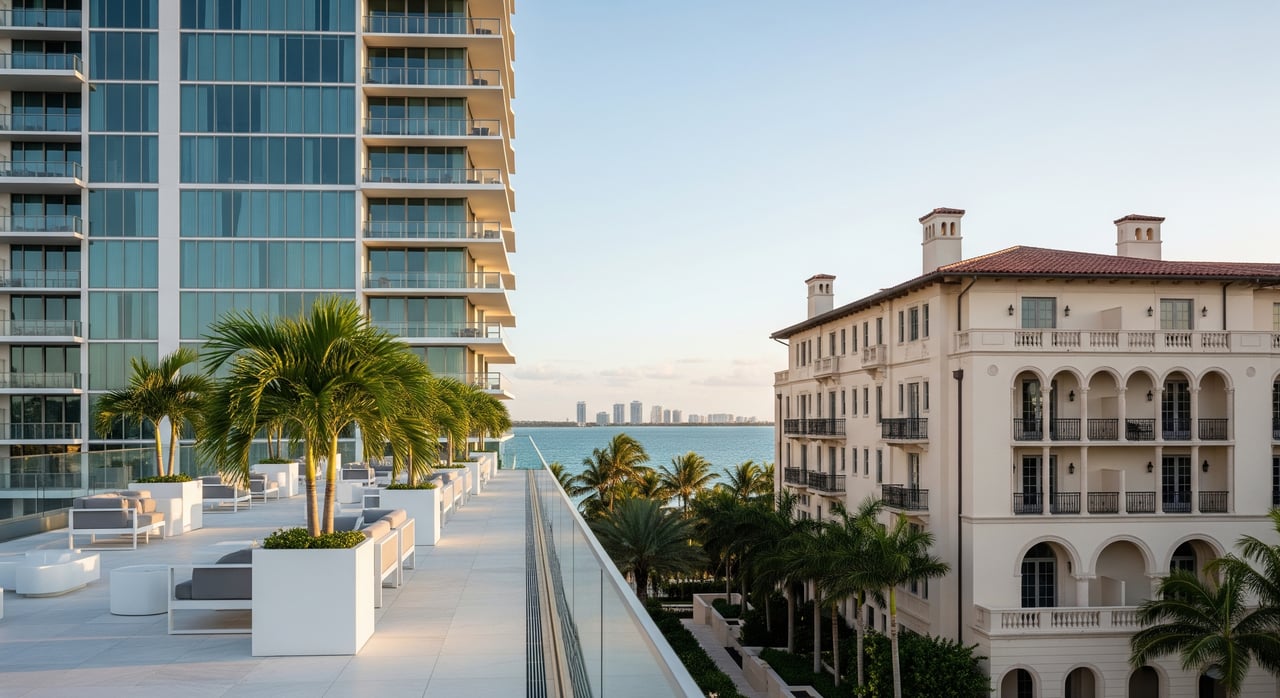
Should you choose a gleaming new waterfront tower or a proven classic with history and charm along the Palm Beaches? The decision can feel complex once you add in HOA budgets, insurance realities and the finer points of construction quality. You want a beautiful place to live, but you also want clarity on risk, cost and resale. This guide breaks down the tradeoffs between new development and resale condos in Palm Beach, West Palm Beach, Boca Raton and Delray Beach, and equips you with practical steps to move forward with confidence. Let’s dive in.
The Palm Beaches condo landscape
You will find everything from low-density waterfront residences to downtown high-rises across Palm Beach County. Price and carrying costs vary by building age, location and amenities. In recent years, new luxury developments have entered the market at a premium, while many older resales offer lower entry prices but may carry higher maintenance needs.
After the 2021 Surfside tragedy, buyers, lenders and insurers across Florida began to scrutinize building safety, reserves and engineering more closely. Florida condominium governance is set out in Chapter 718 of the Florida Statutes, so you can expect clear rules for association budgets, reserves and voting. Insurance costs and flood risk remain central factors in the Palm Beaches, especially for waterfront and low-lying buildings. Always check a property’s flood zone on the FEMA Flood Map Service Center early in your search.
Seasonal patterns also shape the market. Listings and closings often pick up from fall through spring when snowbirds return. Understanding timing helps you plan showings, negotiations and closing windows.
New development condos: what you gain
Advantages buyers value
- Modern layouts, high ceilings, smart-home features and curated amenity sets that older buildings may not offer.
- Energy-efficient systems, contemporary HVAC and up-to-code construction materials.
- Builder or developer warranties with defined windows for workmanship, systems and sometimes structural coverage.
- Finish selection opportunities during pre-sale or early inventory releases.
- Potential incentives, such as closing cost credits, upgrades or preferred-lender programs.
Tradeoffs and risks to weigh
- Premium pricing and often higher monthly assessments tied to expanded services and amenities.
- Construction timelines that can shift, creating uncertainty for move-in dates if you buy pre-construction.
- Limited comparable sales in brand-new towers, which can complicate appraisals and financing.
- A newly formed HOA that is still transitioning from developer control, with budgets that may rely on estimates.
- Contract restrictions on assignments or rentals during early project phases.
- Construction quality varies by developer, and warranties are time-limited.
Financing and contract specifics
- Deposits are often staged. Review refundability and milestone language line by line.
- Some contracts limit financing contingencies. Confirm your protections before signing.
- Lenders will review project-level items like the master insurance policy and budget. Early presales may face additional underwriting requirements.
- Appraisal support can be thin in unique luxury projects, so discuss valuation strategy with your lender and agent early.
Resale condos: what you gain
Advantages buyers value
- Immediate occupancy with a clear path to closing.
- Price flexibility and room for negotiation, especially if a seller is motivated.
- A documented track record, including budgets, reserve studies, minutes and maintenance history.
- Potential value in established locations, with the option to renovate to your taste.
Tradeoffs and risks to weigh
- Deferred maintenance can lead to capital projects for roofs, façades, elevators or plumbing. If reserves are low, special assessments may follow.
- Older coastal buildings may present structural concerns. Engineering and inspection reports are essential.
- Insurance and lender scrutiny can be higher in buildings with low reserves, pending litigation or major repairs.
- Rental and use restrictions vary. Always confirm the rules before writing an offer.
Inspections and disclosures
- Request recent association meeting minutes, budgets, reserve studies and any special assessment notices.
- Order a thorough home inspection. For older concrete buildings, consider targeted evaluations for envelope, balconies, moisture, electrical and plumbing.
- Ask for records of completed and pending capital projects to understand timing and cost exposure.
HOA and building health: what to review
Key financial indicators
- Operating budget, what assessments include and how much goes to reserves.
- Reserve study age and funding level. Underfunded reserves are a red flag.
- Special assessment history and any projects on the horizon.
- Delinquency rates for dues, which can signal financial strain.
Governance and transparency
- Review 6 to 12 months of meeting minutes for clues about repairs, disputes and vendor performance.
- Check for ongoing or past litigation that could impact insurability or lending.
- In new projects, understand the developer control period and how the board transition works under Florida’s condominium statute.
Insurance to verify
- Master policy coverages and deductibles, including wind and flood. Large deductibles may become an owner liability if a loss occurs.
- Your walls-in coverage and personal property needs relative to the master policy.
- If in a flood zone, verify flood insurance requirements on the FEMA map portal and review options with the Florida Office of Insurance Regulation resources and Citizens Property Insurance.
Insurance, flood and resilience in the Palm Beaches
Many condos sit in coastal or low-lying areas where storm surge and rising seas are long-term considerations. Premiums have risen in Florida’s coastal markets, and associations sometimes face higher costs or policy changes at renewal. Before you make an offer, review the flood zone, elevation certificate if available and the association’s loss history. Local building departments can be helpful for permits and code questions, including the Palm Beach County Planning, Zoning and Building portal and the City of West Palm Beach Planning and Zoning office.
Financing and lender considerations
Project approval matters
Lenders maintain condo approval standards that look at reserves, owner occupancy, investor ratios and litigation. Newer projects that are not yet stabilized or buildings with financial stress can face tighter underwriting. Ask your lender to confirm project approval status early to avoid surprises.
Down payment, rates and terms
Investor purchases or loans in older buildings with known issues may require larger down payments or higher rates. If you plan to buy early in a new development, discuss appraisal and timing with your lender in advance.
Appraisal dynamics
In unique luxury inventory with few comparables, appraisers may lean on nearby buildings or recent resales. Work with a team that understands how to frame value with the right data and amenities, especially when square footage alone does not tell the full story.
A quick due diligence checklist
Use this as a starting point, then adjust to the property and your goals.
- Condo documents, including declaration, bylaws and rules.
- Current operating budget and most recent financials.
- Latest reserve study and schedule of planned capital projects.
- Association meeting minutes for the last 6 to 12 months.
- Master insurance summary and deductibles, plus your interior coverage needs.
- Any special assessments, confirmed or proposed.
- Litigation disclosures and status updates.
- For older coastal buildings, recent engineering or structural reports.
- Flood-zone confirmation and elevation details via the FEMA Flood Map Service Center.
- General and targeted inspections as warranted by building age and systems.
- Rental rules if you plan any leasing.
- Lender condo-project approval and expected mortgage terms.
- For new builds, contract language on deposits, contingencies, completion standards and warranties.
- Sales and tax records through the Palm Beach County Property Appraiser.
- Permit and code history in Palm Beach County PZ&B or relevant city portals.
Which path fits you
If you value contemporary architecture, curated amenity sets and a turnkey experience, a new development can deliver a refined lifestyle with clear warranties and design consistency. You pay a premium for that clarity, and you accept the early years of HOA formation and operating estimates.
If you want immediate occupancy, negotiation room and a proven financial record, a well-run resale building can be a smart choice. You invest time in deeper due diligence, especially on reserves, engineering and insurance, to protect your purchase and forecast carrying costs.
Either way, clarity comes from documents and data. Read the minutes, study the reserve study, and verify insurance and flood exposure using the Florida Office of Insurance Regulation resources and the FEMA flood maps. For permits and local rules, use county and city portals like Palm Beach County PZ&B and the City of West Palm Beach. These steps help you compare options on true cost, risk and long-term livability.
Ready for a private look
If you are weighing a design-forward new residence against a distinctive resale along the waterfront, you deserve a clear, quiet space to evaluate the details. Explore architecturally significant lofts and penthouses, review HOA and insurance specifics side by side, and experience how the volumes feel in person. To arrange a tailored showing and a document-driven comparison of your short list, request a VIP Tour with Haven Palm Beach.
FAQs
What is the main cost difference between new and resale condos in the Palm Beaches?
- New developments often command higher purchase prices and monthly assessments for expanded amenities, while resales can offer lower entry prices but may carry upcoming capital projects or special assessments.
How do I check a building’s flood risk before I make an offer?
- Use the FEMA Flood Map Service Center to confirm the flood zone and request any elevation certificate from the association or seller.
Why are reserves and reserve studies so important for Palm Beach condos?
- Reserves fund major repairs like roofs and elevators; a current reserve study and healthy funding reduce the risk of large special assessments.
Can insurance costs affect my ability to get a mortgage on a condo?
- Yes, lenders review the association’s master policy and your coverage; rising premiums or limited availability can impact approvals and monthly affordability.
What documents should I review for a resale condo purchase in Palm Beach County?
- Focus on the condo declaration and rules, recent budgets and financials, the latest reserve study, 6 to 12 months of minutes, insurance summaries and any litigation disclosures.
Where can I find reliable local records on a building or unit?
- Check permits and code items with Palm Beach County Planning, Zoning and Building and verify sales and tax records via the Palm Beach County Property Appraiser.