Thinking about a condo in the Palm Beaches and wondering what Florida’s “milestone” inspections mean for you? You’re not alone. Many buildings across Palm Beach, West Palm Beach, Boca Raton and Delray Beach are reaching key ages that trigger these structural checkups, and buyers want clarity on cost, risk and timing. In this guide, you’ll learn what the milestone rules cover, how to vet a building, and which documents to request so you can buy with confidence. Let’s dive in.
What milestone inspections are
Florida’s milestone inspections are periodic structural reviews for certain condominium and cooperative buildings. The intent is simple: protect life and safety by identifying structural issues early and ensuring repairs happen in a timely way.
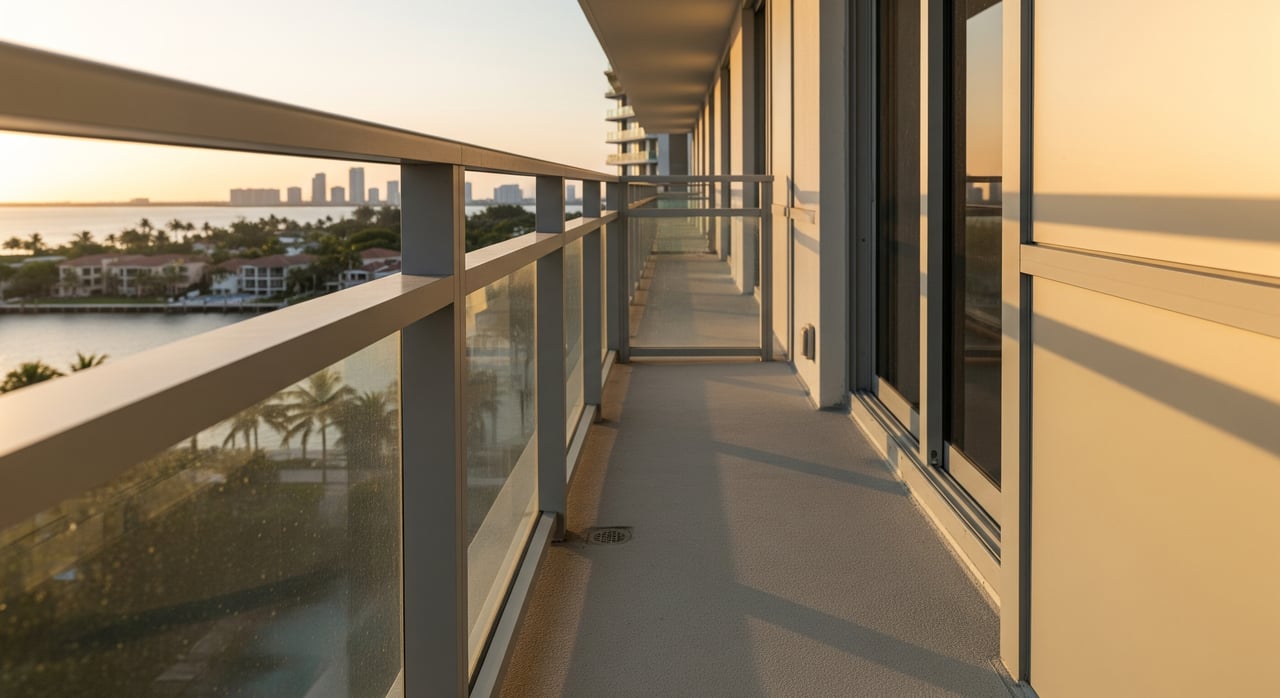
These inspections focus on core building elements that affect structural integrity and public safety. The scope typically includes foundations, columns and beams, exterior walls, balconies, roofs, waterproofing and signs of corrosion or water intrusion. The result is a written report that associations must share with owners and, in many cases, local building officials.
Which buildings are affected
At a high level, the law targets condominium and cooperative buildings that meet a height threshold of three or more stories. It applies to associations across Florida, including Palm Beach County.
Local building officials enforce the rules. Some cities and counties may add filing steps or specific procedures. If you are focused on a particular address, check with the Palm Beach County Building Division or the building department for West Palm Beach, Boca Raton or Delray Beach for local specifics.
When inspections are due
Milestone timing is tied to building age. In broad terms, coastal buildings face an earlier first inspection timeline that is commonly referenced as around 30 years, while non-coastal buildings are commonly referenced around 40 years. After the first milestone, follow-up inspections generally repeat every 10 years.
Exact definitions and deadlines are set by statute and any updates. Before relying on a timetable, verify the current rules through the Florida Statutes, Florida DBPR guidance and the local building department where the property sits.
Who performs the inspection
Inspections must be performed by qualified, Florida-licensed design professionals. This typically means a structural engineer and/or a licensed architect with experience in structural and building-envelope evaluations. Their written report documents findings and recommendations, and it may trigger immediate actions if safety concerns are identified.
Palm Beaches context to know
The Palm Beaches have a large number of mid-century and late-20th-century buildings. Many were constructed in the 1960s through the 1980s. As these buildings reach the milestone age thresholds, inspections and follow-up repairs are increasingly common.
South Florida also has a mature ecosystem of structural engineers, waterproofing experts and contractors. Timelines for inspections, bids and repairs can vary with market demand and season. If you are evaluating a building, ask for realistic schedules and allow time in your contract for document review.
How inspections affect your purchase
Milestone outcomes can shape a purchase in four key ways:
- Safety and occupancy. If a report flags immediate hazards, local officials can require prompt repairs or impose restrictions until issues are addressed.
- Financing. Lenders and investors often review building health and association finances. Unresolved structural findings or large assessments can affect loan eligibility.
- Insurance. Major structural issues and extensive repair histories can influence the association’s ability to obtain coverage and may raise premiums.
- Association finances. Required repairs may be funded from reserves or through special assessments. Either can impact your monthly costs and long-term holding strategy.
Documents to request before you buy
Ask the seller and association for a complete package. At minimum, request:
- Most recent milestone inspection report and any prior structural reports.
- Repair scopes, bids and executed contracts related to the milestone findings.
- Permits and inspection records for any completed structural or envelope work.
- Association meeting minutes for the last 12 to 24 months covering inspections, repairs and assessments.
- Current budget, reserve study and recent financial statements with reserve balances.
- Any owner notices about safety concerns, repairs or special assessments.
- Master insurance declarations, including limits, deductibles and exclusions.
- Original certificate of occupancy or construction date for age verification.
Questions to ask the association
Drill down on status, costs and timing:
- Has the required milestone inspection been completed? When, and by which licensed firm?
- Did the report identify any immediate or substantial safety concerns? What actions were taken, and what is the timeline?
- What is the current reserve balance, and is a special assessment planned or in progress?
- Are there active contracts or bids for remediation? What are the estimated costs?
- Have local officials issued any notices, postings or stop-work orders?
Contract protections to consider
Protect your position with targeted contingencies and reviews:
- Association document review contingency that explicitly includes the milestone inspection and any structural engineer reports.
- Right to obtain an independent engineering review by a Florida-licensed structural engineer if the building’s report shows open safety items.
- Early lender consultation to confirm project eligibility if you plan to finance.
Common findings in South Florida
Milestone inspections in our region often uncover predictable wear patterns driven by salt air and moisture:
- Concrete spalling and rebar corrosion in structural elements.
- Balcony deterioration and railing stability issues.
- Water intrusion at windows, joints and other envelope locations.
- Roof failures, flashing problems and drainage issues.
- Less common but critical structural cracking or settlement.
Understanding whether issues are localized or systemic is key. The difference can range from targeted repairs to multi-phase façade and waterproofing programs.
Typical costs and timelines
Costs scale with building size and scope:
- Inspections. Expect thousands to tens of thousands of dollars for the inspection itself, depending on complexity and height.
- Repairs. Ranges vary widely, from localized concrete work to multi-million-dollar remediation in large or heavily affected buildings.
- Funding. Associations may use reserves or levy special assessments to complete required work.
Build in time for scoping, bidding and permits, especially during peak seasons when engineers and contractors are booked.
If the report flags problems
A clear path usually follows:
- The association shares the report with owners and consults local building officials if there are safety concerns.
- Engineers develop a repair scope, and the board seeks bids from qualified contractors.
- The association identifies funding sources, including reserves or special assessments.
- Work proceeds with permitted repairs and inspections until closeout.
As a buyer, you want to see the report, the proposed scope, the funding plan and a realistic timeline. If the plan is uncertain or underfunded, weigh the impact on your budget and your timeline for occupancy or renovation.
How to evaluate a specific building
Use a simple framework to compare options:
- Safety status. Are there any immediate hazards or postings? If yes, what is the remedy timeline?
- Compliance. Is the building current on its inspection schedule and filings with local officials?
- Scope of work. Are issues minor and localized, or broad and multi-year?
- Financial readiness. Are reserves strong, and are assessments transparent and approved?
- Marketability. How might the building’s status affect financing, insurance and resale timing?
Palm Beach buyer playbook
To move forward with clarity and speed, follow this sequence:
- Request the full document set listed above as soon as you go under contract.
- Add an association-docs contingency that allows time to read the milestone report and obtain an engineer’s review if needed.
- Speak with your lender early about the building’s eligibility and any required documentation.
- If repairs are pending, review the bid tab, contracts and funding plan so you can price the true cost of ownership.
- Confirm permits and completion sign-offs for any repairs the seller claims are finished.
The bottom line for the Palm Beaches
Milestone inspections are reshaping how you evaluate condo properties in Palm Beach County. They offer transparency about structural health and help you plan for real costs. With the right documents, a thoughtful set of questions and a smart contract strategy, you can choose a residence that aligns with your standards for safety, design and long-term value.
If you want discreet guidance as you consider architecturally significant lofts and penthouses along Flagler Drive and the island, our team is here to help you navigate the details with care. For private consultations and curated tours, connect with Haven Palm Beach.
FAQs
What is a Florida condo milestone inspection?
- A periodic structural evaluation for certain condominium and cooperative buildings focused on life safety and structural integrity, with a written report shared with owners and local officials.
Which Palm Beach buildings must comply?
- Generally, condo and co-op buildings of three or more stories fall under the rules; confirm exact applicability with the local building department for the property’s location.
When are inspections due in coastal areas?
- Initial milestones for coastal buildings are commonly referenced around 30 years of age, with follow-up inspections about every 10 years; verify exact timing in the statute and locally.
Who pays for inspections and repairs?
- Associations typically pay for inspections and fund repairs through reserves or special assessments charged to owners, depending on scope and financial position.
Can unresolved findings affect my loan?
- Yes. Major unresolved structural items or large assessments can impact financing eligibility, insurance availability and closing timelines.
What documents should I review before closing?
- The latest milestone report, repair scopes and contracts, permits, recent meeting minutes, current budget, reserve study, financial statements and master insurance declarations.
What if the milestone report shows safety hazards?
- Local officials can require immediate action, including repairs or occupancy restrictions; review the remediation plan, funding and schedule before proceeding.