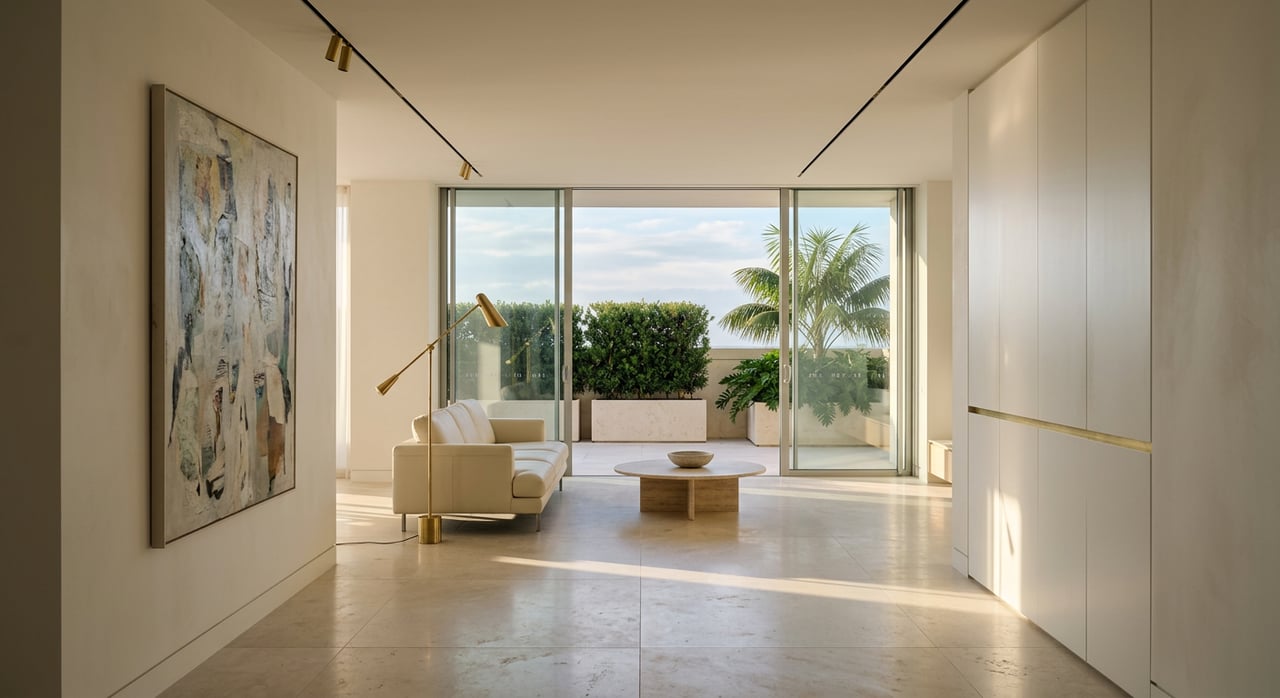
You book a private penthouse tour in Palm Beach because you value privacy, precision and a clear feel for how the home lives. You also know the top floor adds unique rewards and risks that a casual walk‑through can miss. In this guide, you’ll learn exactly how these appointment‑only showings work, what to look for in the residence and building, and which documents to request so you can move forward with confidence. Let’s dive in.
Private tour vs. open house
A private penthouse tour is not a drop‑in open house. It is an accompanied, appointment‑only showing arranged through the listing team or building concierge. Sellers often request buyer vetting before granting access, which can include a buyer‑agent introduction, proof of funds or a lender pre‑approval, and sometimes an NDA for off‑market or “quiet launch” opportunities. These controls protect resident privacy and keep tours focused on qualified buyers, a common practice for high‑end listings in this market. See industry commentary on private workflows for context in how off‑market showings are handled and why vetting is expected here.
Expect tighter policies on photography and timing than a standard condo showing. Many sellers limit photos or ask that any images be taken with advance permission. Plan your evaluation accordingly.
Before you arrive: vetting and scheduling
Confirm your tour window, arrival details and house rules. Penthouse showings often run 30 to 90 minutes, escorted by the listing agent. Ask if valet is available, where to check in, whether the residence is owner‑occupied, and whether photos or video are allowed during your slot. If you are financing, keep in mind that Florida condominium transactions involve specific association documents and disclosures. Florida’s Condominium Act outlines required items like the declaration, bylaws, rules, most recent year‑end financials, reserve information and the resale disclosure. Request these in time for counsel and your lender to review them under Florida Statutes Chapter 718.
Bring a short, focused checklist so you spend time on what matters most. If the property is marketed off‑market, expect that full address details, floor plans or additional images may be released only after proof of qualification.
Bring and confirm
- Proof of funds or lender pre‑approval, plus your buyer‑agent introduction.
- Notepad and tape measure, since photography may be limited.
- A 10‑question list covering reserves, SIRS/milestone reports, insurance and terrace responsibility.
Arrival and access: what to expect
Most luxury buildings in the Palm Beaches coordinate access through the concierge. Plan to register at the front desk, show ID if requested, and follow controlled elevator procedures. Some penthouses have keyed or private elevators that open to a dedicated foyer. The listing agent will typically escort you at all times for privacy and security.
If you arrive by valet, confirm pickup timing so you can complete the tour without rushing. A precise arrival helps the team coordinate elevator access and limit overlap with other residents or service staff.
In the penthouse: a focused walkthrough
Use your first pass to absorb light, volume and flow. Then work through a few targeted checks that matter more on top floors.
Volume and flow in living spaces
- Confirm ceiling height and note any dropped soffits that affect art placement or lighting.
- Track how living, dining and kitchen areas connect to terraces. Look for clean sightlines and comfortable circulation, especially near large openings.
- Identify columns or pinch points that limit furniture or art wall options.
Windows, glazing and hurricane protection
- Ask whether exterior doors and windows are impact‑rated or rely on shutters. Florida’s product approval and testing rules govern these systems. Request product approvals or installation records for peace of mind, guided by Florida Building Commission product approval resources.
- Look for condensation between panes, worn seals or corrosion at frames that may signal repair needs.
Terraces and rooftop elements
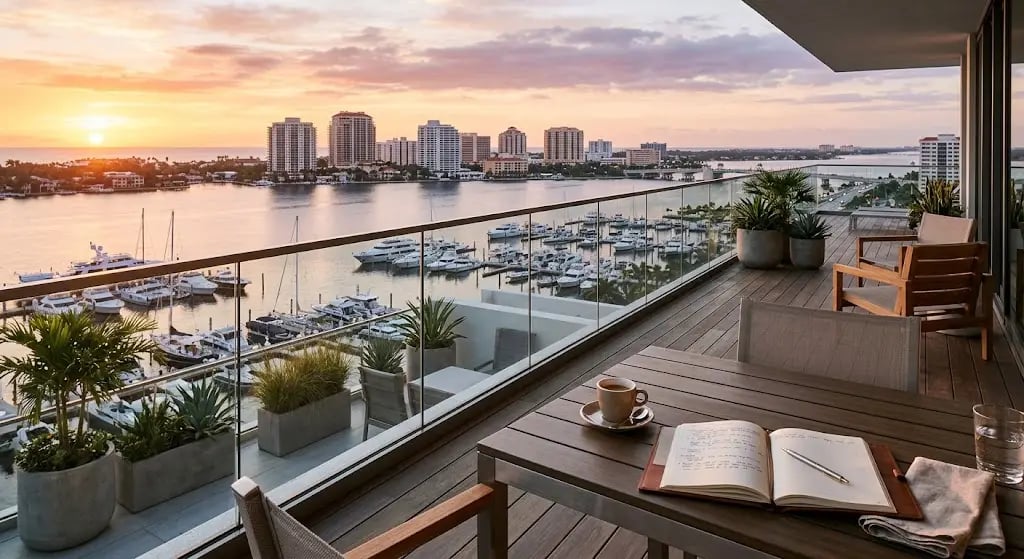
- Top‑floor terraces are a key lifestyle feature and a top risk area. Check drains and scuppers for clogs, look for ponding or soft spots underfoot, and ask for any records of membrane replacement or terrace repairs. For context on why membranes and flashings are recurring maintenance items, review guidance on condo restoration and terrace waterproofing from specialized restoration sources.
- Confirm who maintains the terrace and related components. Ask whether the terrace is a limited common element owned or maintained by the association, or if it is the unit owner’s responsibility.
- Verify railing heights and permitted uses. If a private spa or plunge pool is advertised, request structural documentation and maintenance agreements.
Comfort systems: HVAC, water and noise
- Ask about HVAC type, capacity, zoning and service history. Top floors can run warmer, and rooftop equipment location can influence noise levels.
- Test hot water and water pressure. Confirm the location of shutoffs and whether booster pumps serve higher floors.
- Note any mechanical hum or elevator noise within living spaces.
Finishes, built‑ins and service access
- Inspect stone, cabinetry and floors near wet areas for signs of past leaks or patching.
- Check service elevator access and routes for movers or contractors, especially if the unit has large-format doors or terrace elements that may require future work.
Quick lifestyle checks
- If possible, tour during a busier time to judge elevator wait times, corridor noise and amenity use.
- Step onto the terrace to feel wind exposure and sun patterns that affect daily comfort.
The building matters as much as the unit
The best penthouse lives beautifully in a building with sound governance, clear reporting and sustainable budgets. Focus your document requests here.
Reserves, SIRS and milestone inspections
Ask whether the association has completed a Structural Integrity Reserve Study and any required milestone inspection. These reports identify capital items like roofing, waterproofing, facade work and elevators, and they influence reserves and potential assessments. Request the study, the board’s funding plan and any related engineer reports. Learn how SIRS and milestone inspections fit into condo budgeting and compliance in the state’s official FAQs.
Records, minutes and litigation
Request the most recent year‑end financials, current budget, reserve information and recent board minutes that reflect projects, assessments or litigation. Florida law grants access to many association records, and the resale disclosure and official documents are addressed in Chapter 718. These materials help your counsel and lender evaluate building health early.
Insurance, flood risk and financing
Obtain the master insurance declarations page, including wind and hurricane deductibles, and confirm whether the property is in a FEMA‑mapped flood zone. Flood zone and base flood elevation influence underwriting and cost; you can review the official status on the FEMA Flood Map Service Center. Keep in mind that building condition, reserves, rental ratios and litigation can affect conventional or agency financing access for condos. For broader market context on Southeast Florida condo trends and financing constraints, see regional reporting from Miami REALTORS.
Amenities and staffing
Clarify which amenities are resident‑only, which require membership or fees, and what staffing looks like day to day. Ask about concierge hours, valet operations, engineering staff and housekeeping policies. Observing how staff handle guest registration and questions can be a useful indicator of service quality.
Read the building culture during the visit
Pay attention to how spaces feel and function. You are looking for an everyday rhythm that fits your life, whether you live seasonally or year‑round.
- Note concierge responsiveness, clarity around deliveries and contractor rules, and how access is controlled.
- Observe amenity usage. Persistent crowding, long reservation queues or heavy short‑term turnover affect quiet enjoyment and building wear.
- The Palm Beaches see meaningful seasonal occupancy. Ask the listing team about seasonal patterns and any rules on short‑term rentals. Local reports show seasonality across the region, which helps set expectations around building activity and services. For context, review Southeast Florida market reporting from Miami REALTORS.
10 smart questions to ask on tour
Use clear, concise questions. Ask verbally on site, then follow up in writing.
- Has the association completed a SIRS or milestone inspection, and can you share the report and the board’s funding plan? See state guidance on SIRS and milestones here.
- Please provide the most recent year‑end financials, current budget and reserve study. These documents are addressed in Florida Statutes Chapter 718.
- Are there any approved or pending special assessments, and how will they be financed?
- Can we review the master insurance declarations page, including wind and flood deductibles? Financial and insurance disclosures are outlined in Chapter 718.
- Is the building FHA or VA approved, or does the association plan to pursue it? Financing options for condos vary by building, with regional context summarized by Miami REALTORS.
- Who is responsible for terrace and roof‑adjacent maintenance on this unit, and are terrace membranes documented in association records? Learn why terrace membranes matter in condo restoration guidance here.
- What percentage of units are owner‑occupied, and what are the rules on short‑term rentals?
- When were the exterior windows and doors last certified or replaced as impact‑rated, and can you share product approvals or installation records? Florida’s approval framework is summarized by the Florida Building Commission.
- When were the elevators last modernized, and what is the timeline for the next elevator, roof or facade cycle?
- What security protocols govern guest entry and contractor access, and where are the assigned parking and storage located?
After the tour: your 72‑hour follow‑up
Request core documents within 48 to 72 hours so your advisor and lender can review them without delay. Start with the association’s estoppel or resale certificate, the most recent minutes, the current budget and year‑end financials, the SIRS or reserve study, and the master insurance declarations. Florida resale disclosures and record access are addressed in Chapter 718.
If the penthouse includes a large terrace or rooftop elements, consider hiring a licensed structural or roofing engineer to evaluate membranes, drains, flashings and parapets. Specialized restoration guidance explains why these items deserve close attention on top floors here. Hire a condo‑experienced home inspector for interior systems, and if you plan to finance, coordinate early with your lender on condo project approval to avoid surprises. For regional financing context, review the Southeast Florida market report from Miami REALTORS.
Ready to explore a curated collection of waterfront lofts and penthouses with discreet, appointment‑only access and gallery‑quality presentation? Connect with Haven Palm Beach to Request a VIP Tour.
FAQs
Do you need proof of funds for a private Palm Beach penthouse tour?
- Yes. High‑end listings commonly require buyer vetting such as proof of funds or a lender pre‑approval, and some off‑market tours may also use NDAs to protect privacy.
What condo documents should you request when buying a Palm Beach penthouse?
- Ask for the declaration, bylaws, rules, most recent year‑end financials, reserve information, insurance declarations and the resale disclosure, as outlined in Florida’s Condominium Act.
How long does a private penthouse tour take, and can you take photos?
- Plan for 30 to 90 minutes, escorted by the listing agent. Many sellers limit photography or require permission, so confirm rules before taking any images.
Why is terrace drainage such a priority in top‑floor units?
- Terraces are lifestyle highlights and common risk areas. Drains, membranes and flashings require maintenance, and past issues can show as ponding, soft spots or repair history.
What are SIRS and milestone inspections, and why do they matter?
- These reports identify structural and capital needs like roofing, waterproofing and elevators, and they guide reserve funding and potential assessments that affect owners.
How do flood zones and master insurance affect a penthouse purchase?
- Flood zone and building insurance details influence risk, underwriting and cost. Request the master policy’s declarations and check the property’s official FEMA flood map status.