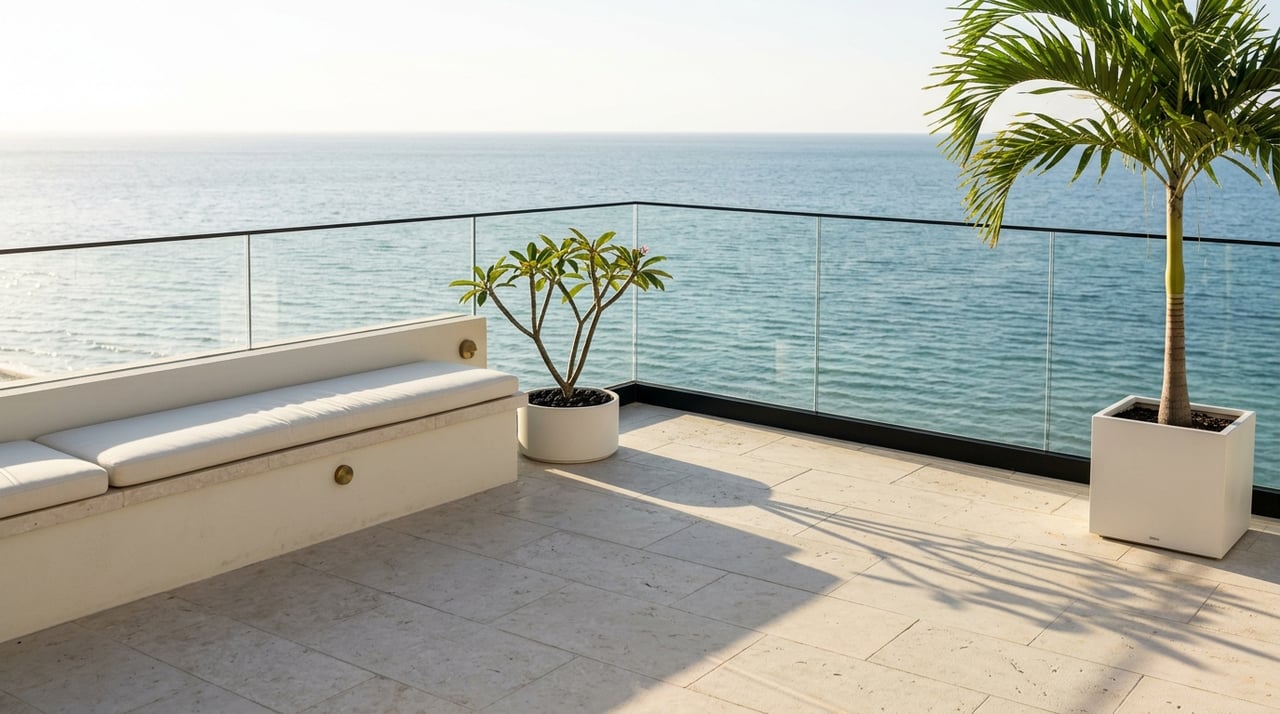
What if buying a Palm Beaches waterfront home from another state, or another country, could feel less overwhelming and more precise? If you are exploring Palm Beach, West Palm Beach, Boca Raton, or Delray Beach from afar, you are not alone, and you do not need to rely on guesswork. With the right process, you can compare locations, evaluate buildings, and move forward with clarity. Let’s dive in.
Why Palm Beaches waterfront draws global buyers
The Palm Beaches sit within one of Florida’s most active international buying corridors. Between August 2024 and July 2025, foreign buyers purchased 16,400 existing homes in Florida totaling $10.4 billion, and the Miami-Fort Lauderdale-West Palm Beach metro accounted for 45% of the state’s international buyers.
That matters if you are shopping from out of state or abroad because this is a market already shaped by remote decision-making, repeat visits, and all-cash competition. Florida Realtors reports that 60% of international buyers paid all cash, while the typical international buyer spent $442,000 and often purchased for vacation use, rental use, or both.
Palm Beach County is a smaller piece of that international story than Miami-Dade or Broward, but it is still firmly part of the same South Florida pattern. MIAMI REALTORS reported $123 million in foreign-buyer sales volume in Palm Beach County in 2025.
Palm Beaches is not one market
One of the biggest mistakes distant buyers make is treating the Palm Beaches waterfront corridor like a single pricing bucket. It is not. Inventory, pricing, and pace can shift meaningfully from one ZIP code to the next.
In Q4 2025, West Palm Beach ZIP 33401 posted a median condo and townhouse sale price of $430,000 with 12.1 months of supply. Boca Raton ZIP 33432 reached a median of $1.0875 million with 10.9 months of supply, while Delray Beach ZIP 33483 came in at $510,000 with 9.0 months of supply.
Palm Beach ZIP 33480 stood apart with 13.3 months of supply and a 113-day median time to contract. If you are comparing options from afar, those numbers are a reminder to evaluate each submarket on its own terms instead of relying on a broad “Palm Beaches waterfront” label.
What that means for your search
Your first decision is not just budget. It is also which kind of waterfront experience fits your goals.
A buyer focused on a seasonal lock-and-leave residence may prioritize one set of tradeoffs. A buyer seeking a design-forward penthouse, a lower-density boutique building, or stronger rental flexibility may prioritize another. That is why your search should begin with ZIP code, building type, and intended use, not just square footage and views.
Condo buying here is building-first
For many out-of-state and global buyers, the main waterfront product is condo inventory. That includes older resale towers, boutique buildings, new development, and condo-conversion offerings.
These categories should not be treated as interchangeable. MIAMI REALTORS found that international buyers purchased 49% of new South Florida construction, pre-construction, and condo-conversion sales over an 18-month period ending in July 2025, which shows how often overseas and non-local buyers consider newer product alongside established buildings.
The view may draw you in, but the building deserves equal attention. On the waterfront, a residence is only as sound as the structure, reserves, and management behind it.
Key building questions to ask
Before you get attached to a specific unit, review the basics that shape long-term ownership:
- Building age
- Reserve funding
- Recent or planned special assessments
- Milestone inspection status
- Structural Integrity Reserve Study status
- Rental restrictions
- Pet rules
- Parking arrangements
- Renovation history or planned capital work
- Property type, such as condo, co-op, mixed-use, or conversion
Florida condo rules matter on the coast
Florida’s milestone inspection law is especially important for waterfront buyers. It applies to condominium and cooperative buildings that are three habitable stories or more, with inspections required by the year a building reaches 30 years of age and every 10 years after that.
Local enforcement agencies can require inspections at 25 years in coastal conditions where saltwater exposure may justify earlier review. For buyers in Palm Beach County, that makes building age more than a historical footnote. It can affect timing, budgeting, and how you read the association’s records.
Structural Integrity Reserve Studies, often called SIRS, are just as important. Florida law requires a SIRS at least every 10 years for qualifying buildings, and many owner-controlled associations that existed on or before July 1, 2022, had to complete one by December 31, 2025.
Why documents matter as much as design
In applicable condo sales, Florida law requires key documents to be delivered before contract execution, including governing documents and financial information. Current contract language also calls for milestone inspection summaries and the most recent SIRS to be provided more than 15 days before execution.
That timing is especially useful if you are buying remotely. It allows you to review the building’s health before your offer becomes firm, rather than trying to piece together risk after the fact.
In practical terms, this is where a beautiful waterfront residence either gains confidence or raises questions. A refined lobby, polished finishes, and panoramic exposure may look compelling on video, but reserve adequacy, deferred maintenance, and planned repairs tell you how the building functions over time.
A remote purchase can be structured and efficient
If you are buying from New York, California, Toronto, São Paulo, or London, a remote-first process is realistic in this market. Florida Realtors says 90% of international buyers visited Florida at least once before purchasing, while MIAMI REALTORS found that 65% of South Florida foreign buyers visited two times or fewer and 11% bought without visiting.
In other words, limited travel is common. The key is to replace spontaneity with structure.
A smart remote-buying workflow
A clear process can help you move confidently:
- Define your target area and building type.
- Narrow options by ZIP code, layout, and intended use.
- Schedule live video tours and detailed floor plan reviews.
- Request association documents early.
- Review financials, milestone materials, and the latest SIRS.
- Confirm flood-zone details and insurance considerations.
- Finalize proof of funds or financing.
- Complete inspections and closing steps.
Florida also permits remote online notarization, authorized since January 1, 2020. The Florida Department of State says online notaries must use identity proofing, credential analysis, and audio-video recording technology, which can make closing from afar more manageable.
That said, your final closing path may still depend on your title company, lender, attorney, and the specifics of the transaction. A remote closing is possible, but it should still be carefully coordinated.
Flood review is not optional
Waterfront ownership comes with obvious appeal, but also with added diligence. Palm Beach County says flood information should be confirmed with an official flood-zone determination before purchase.
For unincorporated county properties, this review can help determine whether a property sits in a high-risk Special Flood Hazard Area and whether an Elevation Certificate is on file. FEMA also notes that flood insurance is available even outside high-risk areas, which is an important reminder for buyers who assume only certain properties need review.
What to confirm before you buy
Ask for clear answers on:
- Official flood-zone determination
- Whether an Elevation Certificate is available
- Current insurance structure for the building
- Your likely unit-level insurance needs
- Any recent changes that may affect cost or underwriting
This part of the process is not glamorous, but it is essential. On the coast, insurance and flood exposure should be reviewed with the same care as finishes, views, and amenities.
Think carefully about intended use
Your ownership plans shape almost every part of the purchase. Florida Realtors reports that 68% of international buyers intended to use the property as a vacation home, a rental, or both.
That makes intended use more than a lifestyle question. It affects building selection, rental rules, tax expectations, and how you evaluate carrying costs.
If you plan to make the property your permanent residence, Palm Beach County says homestead exemption may reduce taxable value by up to $50,000, but it must be filed by March 1 and is tied to permanent residency. If the property is a second home or investment property, you should not assume homestead treatment applies.
Build the right team early
A waterfront purchase that crosses state lines or national borders usually works best when responsibilities are clear from the start. Your real estate search may begin with property, but it should quickly expand into a coordinated review of legal, financial, insurance, and closing details.
For many buyers, that team includes:
- A local waterfront real estate specialist
- A Florida real estate attorney
- A title and closing team
- A lender familiar with foreign income or cash purchases
- An insurance advisor
- A CPA familiar with U.S. and home-country tax issues
- Immigration counsel when visa or residency questions matter
Legal, tax, and immigration matters need specialist advice. They should not be handled as informal real estate guidance.
Why verification matters more than speed
The Palm Beaches waterfront market can be beautifully aspirational, but the best purchases are rarely rushed. ZIP code differences, building age, reserve funding, flood exposure, and document timing all shape the real picture.
For out-of-state and global buyers, the goal is not just to secure a striking residence. It is to secure one that aligns with how you plan to live, host, visit, or hold the asset over time.
That is where a boutique, design-aware approach can make a difference. In a market filled with variation, careful curation and disciplined due diligence help you focus on residences that are not only visually compelling, but also well matched to your priorities.
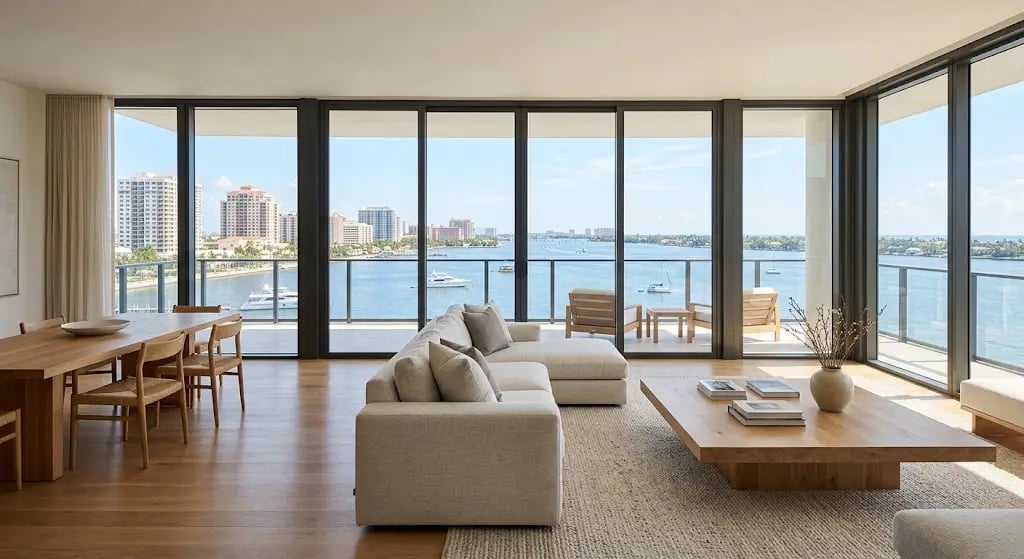
If you are exploring architecturally distinct waterfront lofts, penthouses, or boutique residences in Palm Beach and Downtown West Palm Beach, Haven Palm Beach offers a discreet, high-touch way to begin. Request a VIP Tour and experience the market with clarity, context, and a more curated point of view.
FAQs
What makes Palm Beaches waterfront different for out-of-state buyers?
- The market varies significantly by ZIP code, building type, and condo documentation, so you should compare specific areas and buildings rather than treat the region as one uniform market.
What should global buyers review before purchasing a Palm Beach County condo?
- Review the association financials, governing documents, milestone inspection summary, most recent Structural Integrity Reserve Study, reserve funding, special assessments, rental restrictions, parking, pet rules, and flood-zone details.
Can you buy Palm Beaches waterfront property remotely?
- Yes. Remote tours, video walkthroughs, document review, and remote online notarization can support a distance purchase, although your title, lender, and attorney will help shape the final closing process.
What is a milestone inspection for Florida waterfront condos?
- It is a Florida-required inspection for condominium and cooperative buildings that are three habitable stories or more, generally due by the year the building turns 30 and then every 10 years, with earlier timing possible in coastal conditions.
How does intended use affect a Palm Beach waterfront purchase?
- Your intended use can affect building choice, rental flexibility, tax treatment, and carrying costs, especially if you are deciding between a primary residence, seasonal home, or investment property.
Do second-home buyers in Palm Beach County qualify for homestead exemption?
- Generally, homestead exemption is tied to permanent residence, must be filed by March 1, and should not be assumed for a second home or investment property.