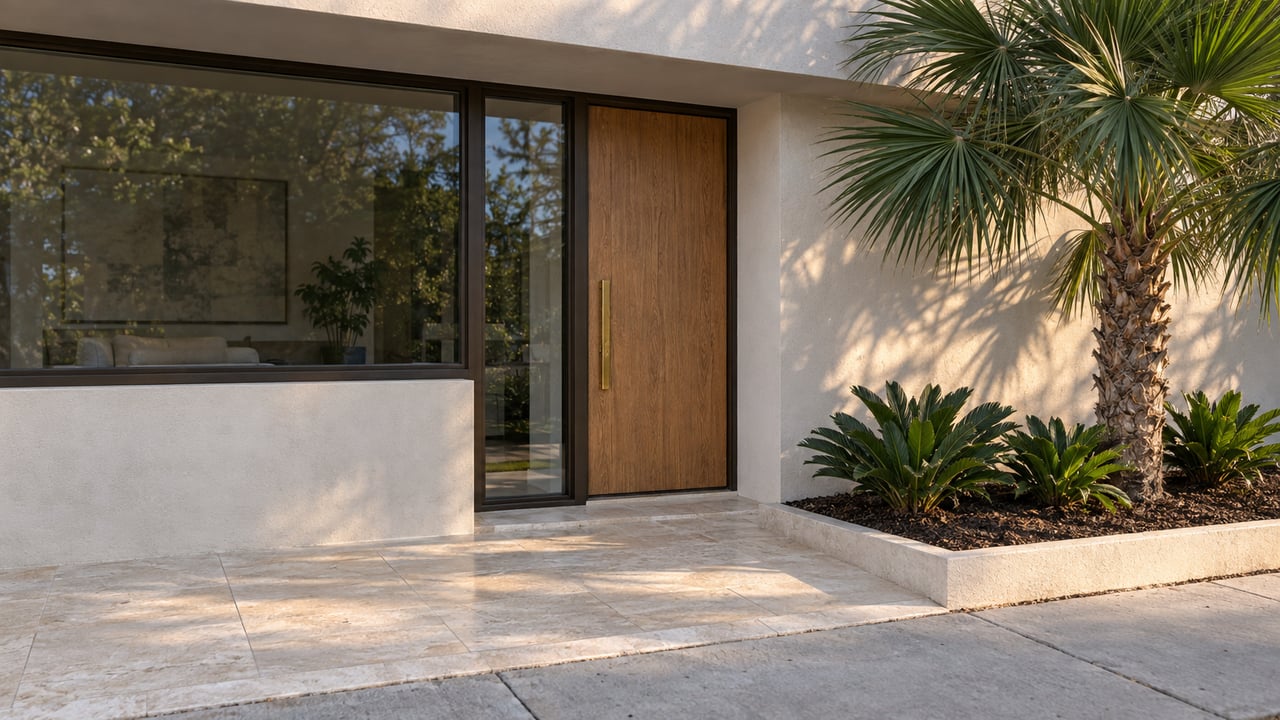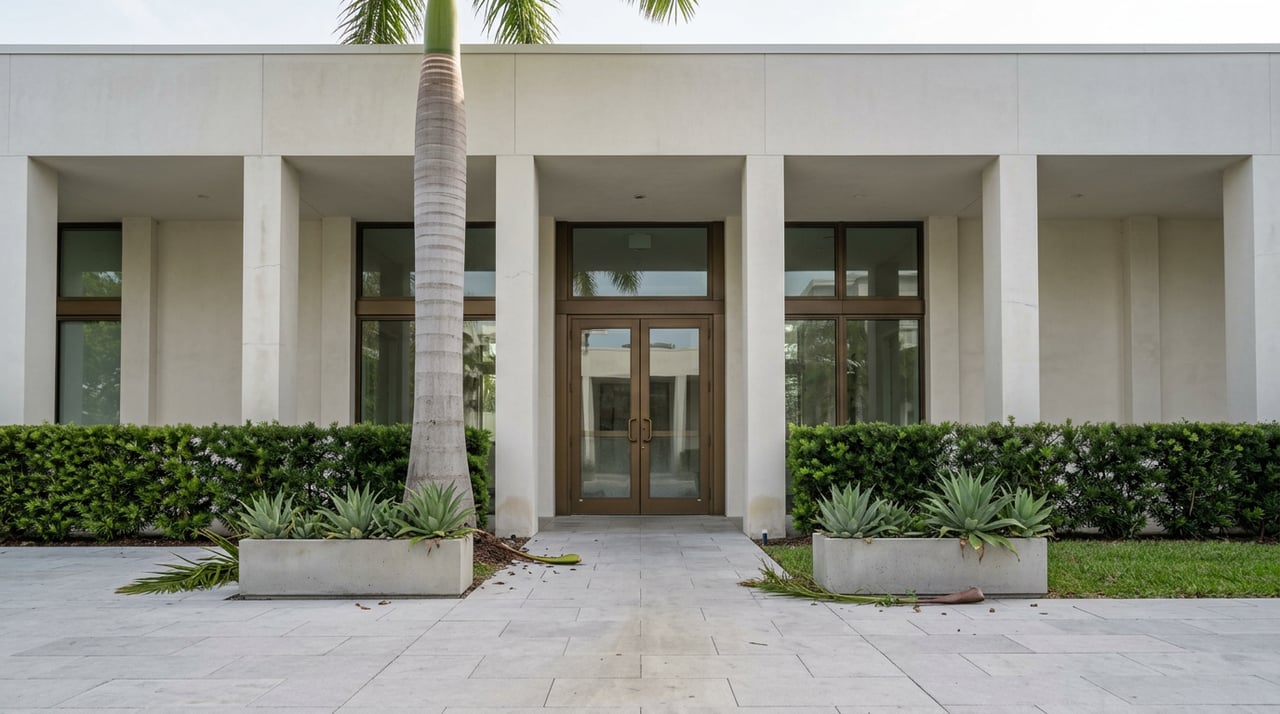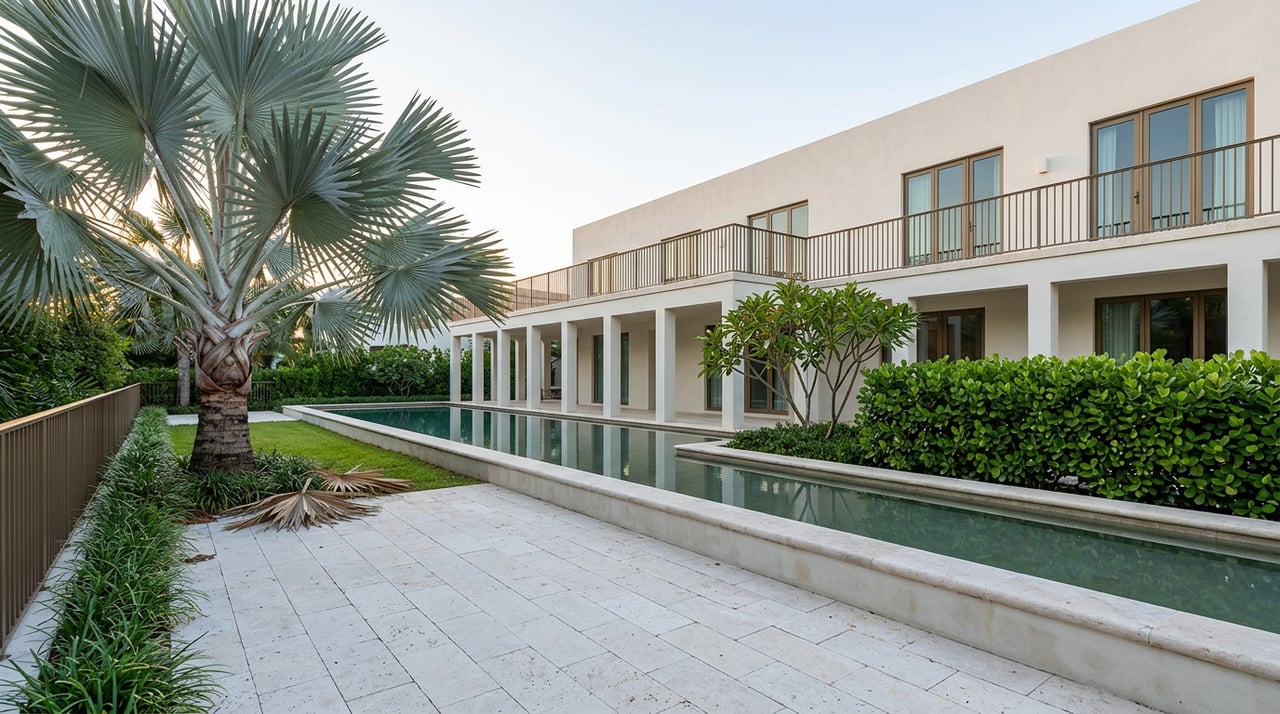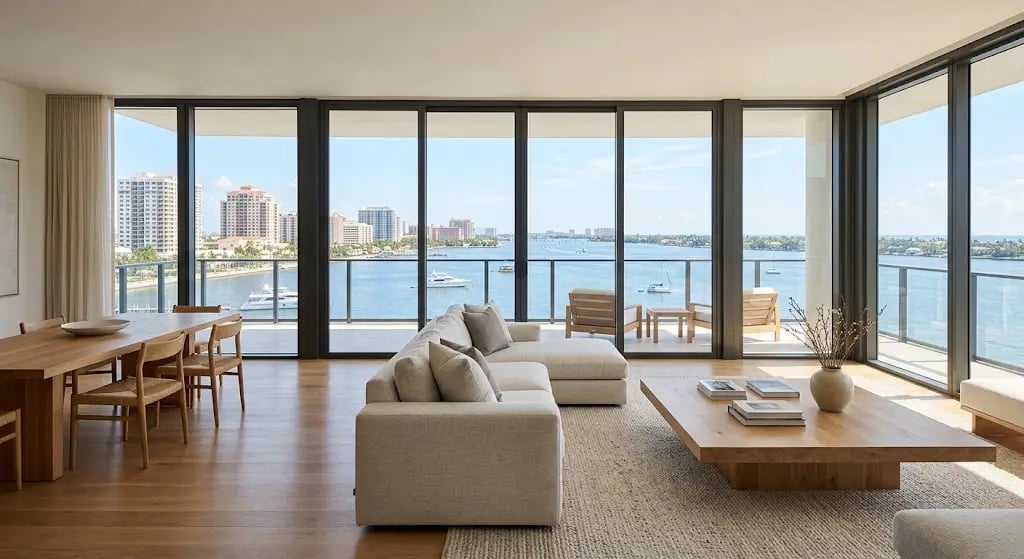
Picture a late December arrival: your penthouse is cool and dry, fresh linens are on the beds, and the balcony chairs face a glassy Intracoastal. Valet has your car, the fridge is stocked, and a simple checklist on your phone closes the loop when you leave again. If you want a second home that works as smoothly as a favorite hotel, the Palm Beaches waterfront gives you the lifestyle, access and services to make it real. In this guide, you’ll learn how seasonality works here, what to prioritize in a building, how to run a true lock-and-leave setup, and the key legal, tax and insurance items to verify. Let’s dive in.
Why the Palm Beaches work for a second home
The Palm Beaches run on a clear seasonal rhythm. Winter, roughly mid-November through April, is the high season for culture, dining and visitor traffic. Expect the most energy from December to March. That makes it a rewarding time to use your home or host guests. Summer is quieter, which is ideal if you value privacy and easier reservations. Plan showings, deliveries and vendor work with that cadence in mind.
You also get easy access. Palm Beach International Airport sits only a few miles from the island, so short-stay flights feel simple. Brightline rail connects West Palm Beach and Boca Raton to Miami, which makes regional trips efficient without a car. You can read more about the service on the page for Brightline’s intercity rail.
On pricing, the region’s luxury segment has been strong in recent years, even while the broader condo market shows more inventory than the peak pandemic phase. If you’re buying a loft or penthouse, plan for two realities: high winter demand and premium pricing, plus lighter summer occupancy and year-round carrying costs. Decide whether you’re buying for lifestyle first or for lifestyle plus rental yield, then underwrite accordingly.
Choose your waterfront backdrop
Palm Beach island
If you want beach adjacency and a refined resort rhythm, the island offers it in a compact setting. Inventory is limited and services scale up in winter, then ease in summer. Expect a short on-island drive to private clubs, dining and galleries.
West Palm Beach waterfront and downtown
If you prefer walkable access to restaurants, museums and events, downtown West Palm Beach delivers. Many towers along the waterfront offer robust building services that make lock-and-leave ownership smooth. Brightline and easy airport access make short trips practical.
Boca Raton and Delray Beach
South of West Palm Beach, Boca Raton and Delray Beach offer distinct centers of gravity. Boca’s Mizner Park area and Delray’s Atlantic Avenue each have strong hospitality scenes and a slightly calmer rhythm. They work well if you want a clear neighborhood identity and quick access to both the ocean and Intracoastal.
What to prioritize in a lock-and-leave residence
Full-service building capabilities
If you plan to come and go, building support is everything. Look for:
- 24/7 concierge or doorman for package, guest and vendor access.
- On-site management and maintenance for quick response to leaks or HVAC.
- Optional housekeeping or linen programs, plus pre-arrival provisioning.
These features reduce your to-do list and make short stays easy.
Resiliency and building systems that matter
Waterfront living is about beauty and preparedness. In coastal Florida, buildings are designed under the Florida Building Code with enhanced wind and debris standards. Ask about construction year, recent code upgrades and whether windows are impact rated. The Hurricane Irma Mitigation Assessment Team report outlines why these details matter; you can review it here.
Strong resilience features to look for:
- Impact-rated windows or approved shutters.
- On-site emergency generator and an elevator resiliency plan.
- Elevated mechanical and electrical rooms, thoughtful drainage and first-floor setbacks.
For a deeper dive into best practices and the benefits of retrofits, see guidance from IBHS FORTIFIED.
Amenities that make ownership practical
Small conveniences add up when you arrive with luggage and guests. Prioritize:
- Dedicated owner storage for beach gear, golf or boating equipment.
- Private elevator access for penthouses and covered or valet parking.
- On-site dry storage or simple marina access if boating is part of your plan.
How to run it like a pro
Choose your operating model
- Full-service building model: You rely on the building’s concierge and on-site team for most needs. This is the least friction for arrivals and departures.
- Third-party manager model: When building services are limited, a manager can handle inspections, pre-arrival cleanings, hurricane prep, vendor coordination and guest turnover. Ask for a contract that covers emergency response, seasonal startup and off-season checks. Many managers use digital task platforms for photo-verified inspections and scheduling. Tools listed by industry sources, such as the platforms cataloged on STRHub, show how checklists and automations keep standards high.
Before you leave: a practical lock-and-leave checklist
Use this quick checklist to protect the home and simplify your return.
- Confirm building access and vendor policy. Know who can enter when you are away and how emergency work is approved. Florida condos are governed by Chapter 718, and association rules vary.
- Mail and packages. Use USPS Hold Mail, and confirm your concierge will accept and secure deliveries.
- HVAC and humidity. Set the thermostat around 75°F with humidity control to prevent mold. Test remote access or schedule a trusted check.
- Water risk. Install whole-home leak detection with automatic shutoff. Confirm who can reopen water lines after a shutdown.
- Smart entry and cameras. Use remote locks or one-time codes for vendors and guests. Follow your association’s privacy rules.
- Balcony and interiors. Empty perishables, secure or store balcony furniture, and confirm windows and sliders are locked.
- Storm season plan. Atlantic hurricane season runs June 1 to November 30. Keep a written plan for shutters, vendor standby and post-storm checks. Review current guidance from the National Hurricane Center before summer.
- Regular inspections. Schedule quarterly or seasonal checks, and increase frequency during hurricane season.
What to request in a manager contract
- Response times for emergencies and clear contact protocols.
- A written fee schedule for routine checks and storm prep.
- A damage response process with photo reports and approval thresholds.
- References from owners in the same building and proof of liability coverage.
What to verify before you buy
Use this due diligence list with your agent, the building manager and a potential property manager.
- Condo documents and governance. Get the recorded declaration, bylaws, house rules, recent minutes and any amendments that limit leasing. Condominium law is governed by Florida Statutes Chapter 718. Ask what percentage of units rent seasonally and whether any caps exist.
- Financial health. Review the operating budget, reserve study and funding plan, recent or pending assessments and a 3 to 5 year history of special assessments.
- Insurance and claims history. Confirm the master policy type and deductible, insurer, limits and recent claim history. Ask whether the master policy includes wind or flood.
- Physical and resilience profile. Verify impact glass or shutters, generator capacity and fuel plan, elevator protection and any elevation or flood mitigation measures.
- Operations and services. Confirm on-site staffing, package policies, whether third-party managers and short-term vendors are allowed and how emergencies are handled.
- Flood exposure and lender requirements. Check the FEMA maps and determine whether the property lies in a Special Flood Hazard Area, then confirm what the association’s policy covers versus what you must carry personally. Start with FEMA’s Flood Map Service Center.
Ask your agent
- Which buildings on this block offer true 24/7 concierge and on-site management, and how do their HOA fees compare for the services delivered?
- Are the windows and openings impact rated, and is there an emergency generator sized to run elevators and life-safety systems after a storm?
- What is the association’s master policy deductible, and what does my HO-6 need to cover to bridge gaps for wind and water?
- If I plan occasional seasonal rentals, what lease lengths and frequency limits apply under the condo docs, and are there municipal registrations or taxes to file?
Taxes, insurance and risk in brief
Homestead versus a second home
Florida’s homestead exemption applies to a primary residence, not a second home. You must establish primary residency by January 1 and apply by March 1 with the Palm Beach County Property Appraiser to receive the exemption. Review the county’s guidance on exemptions and deadlines and confirm local millage when underwriting taxes for a non-homestead property.
Flood and wind coverage for condos
If a lender requires flood insurance, confirm what your association carries and what you need to add. Unit owners often maintain an HO-6 policy and, if needed, a separate flood policy to cover interior finishes and personal property. FEMA’s rules govern lender requirements; the Flood Map Service Center can help you understand your property’s map zone.
Florida’s insurance market can have higher average premiums in coastal counties, and hurricane deductibles are often a percentage of dwelling coverage. Ask for an illustrated quote that clarifies what the master policy includes versus your HO-6 responsibilities. For statewide context, review this Florida home insurance summary.
Your arrival, simplified
When you choose the right building, set up the right operations and complete a focused due diligence process, your second home behaves like a private sanctuary. You arrive to sunlight, clean air and a quiet waterfront view. You leave with confidence and a few taps on your phone. If you are ready to explore gallery-grade lofts and penthouses on the Palm Beaches waterfront, request a VIP tour at Haven Palm Beach. We are happy to curate options, walk you through the seasonal rhythm and introduce you to white-glove services that fit your lifestyle.
FAQs
When is the best time to shop for a Palm Beaches second home?
- Inventory and vendor availability usually improve after peak season, while winter offers the fullest lifestyle calendar. Plan showings around your priorities and schedule.
What building features most reduce hurricane disruption for a waterfront condo?
- Impact-rated windows or shutters, an on-site generator, elevated mechanical rooms and designed drainage help reduce downtime. FORTIFIED guidance outlines measurable benefits of these features.
How does Florida’s homestead exemption affect a second home in Palm Beach County?
- A second home generally does not qualify. The homestead exemption is for a primary residence with a January 1 status and a March 1 application deadline set by the county.
Do I need separate flood insurance if I buy a condo near the water?
- It depends on the association’s master policy and your lender’s requirements. Many owners carry an HO-6 and, when needed, a separate flood policy for interior finishes and contents.
Can I rent my Palm Beaches condo seasonally when I am not using it?
- Possibly, but Florida condos are governed by Chapter 718 and each association sets rules on minimum lease lengths and frequency. Always read the condo docs and recent amendments before you buy.