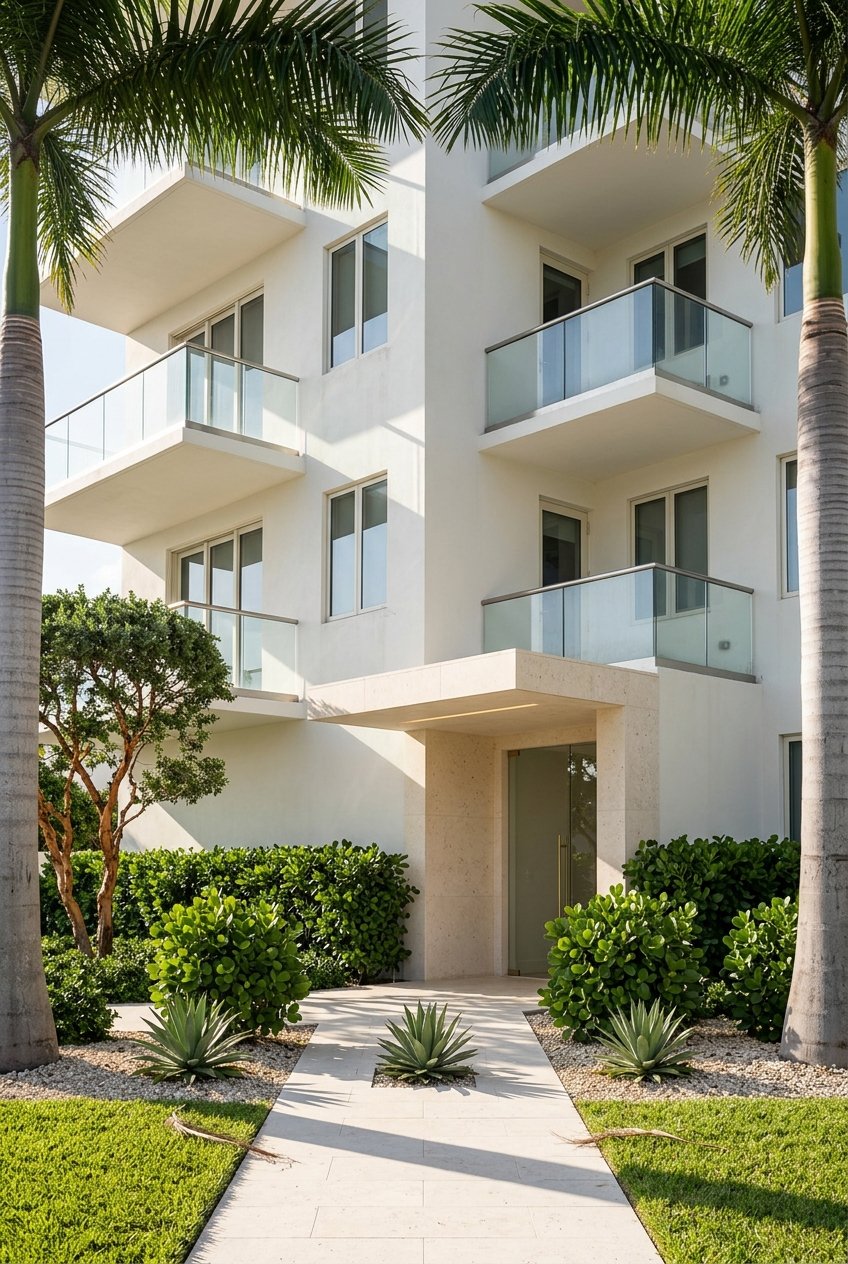
If you are weighing a waterfront residence in the Palm Beaches, the real question is often not simply which building but what kind of daily life you want once you arrive. Some buyers are drawn to the hush of a low-density building with private elevators and fewer shared spaces. Others prefer the ease of a full-service address with concierge staff, guest suites, and a broader amenity program. This guide will help you compare boutique and resort-scale waterfront buildings across Palm Beach, West Palm Beach, Boca Raton, and Delray Beach so you can focus on the setting, services, and practical details that fit your priorities. Let’s dive in.
What Boutique Means on the Waterfront
In the Palm Beaches, a boutique waterfront building usually means a lower resident count, fewer homes per floor, and a more intimate ownership experience. The appeal is often less about size alone and more about how quietly the building lives day to day.
Examples in the county show how this plays out. Ocean Delray has 19 residences, Delhaven has 24 units, Boca Mar has 38 residences, and 123 Ocean includes 27 beach houses. Several boutique projects also highlight private elevators, limited floor plates, or layouts with no common walls, which can shape both privacy and circulation.
For many buyers, that lower-density format feels more residential and less programmed. You may see fewer neighbors in the lobby, share fewer elevator rides, and enjoy a calmer rhythm around the pool, marina, or beach access points.
What Resort-Scale Means in Practice
Resort-scale buildings are not defined only by height or unit count. In the Palm Beaches, they are more often distinguished by staffing, services, and the breadth of amenities available to owners and guests.
The Bristol is a strong example, with a 25-story waterfront tower, large residences, private elevators, separate service elevators, a spa, private dining room, fitness center, lap pool, and guest suites. One Watermark Place adds another layer of service with 24/7 concierge, valet, housekeeping, package delivery, guest suites, a theatre, conference room, dog park, and an adjacent private marina and yacht club.
This type of building can feel especially appealing if you value hospitality-style living. If you travel often, host frequently, or want support built into the property, a resort-scale address may align more closely with how you plan to use the residence.
The Middle Ground Is Real
Not every waterfront building fits neatly into one category. Some properties combine boutique density with a broader amenity offering, which can be attractive if you want privacy without giving up too much service.
Alba Palm Beach is one of the clearest examples. It has 55 residences plus four townhomes, which still reads as relatively limited inventory, yet it also offers more than 25,000 square feet of amenity space, sunrise and sunset pools, private docks with slips, private elevators and vestibules, a fitness room, conference space, private work areas, a theater, and private dining.
That hybrid profile matters because many buyers are not choosing between extremes. You may want a low-density feel, but still care about work-from-home spaces, marina access, or guest-ready amenities.
Privacy and Pace Often Drive the Decision
One of the biggest differences between boutique and resort-scale living is how the building feels in motion. Smaller buildings usually mean fewer people sharing the same vertical and outdoor spaces, which can create a quieter and more controlled daily experience.
Projects across the county illustrate this clearly. Admirals Walk emphasizes no common walls, Ocean Delray highlights private elevators and garage-to-lobby access, and Alba limits the number of residences per floor. These design choices can influence how private the home feels long after the initial tour.
If you value discretion, simple circulation, and a more restrained atmosphere, boutique buildings often stand out. If you prefer more activity and more on-site support, a larger full-service property may feel more effortless.
Amenities Shape Daily Living
Amenity packages are where resort-style buildings usually separate themselves most clearly. Beyond a pool or fitness room, these properties often include staffed entrances, guest accommodations, service coordination, and dedicated social or wellness spaces.
The Bristol and One Watermark Place show how extensive that can become. Meridian of Palm Beach and Claridges sit in a middle ground, with larger resident counts plus features like guard service or door staff, private beach access, pool and spa areas, fitness spaces, and recreation-oriented amenities.
Boutique buildings can still be beautifully appointed, but the offering is often narrower and more curated. That can be a benefit if you would rather pay for the spaces and services you are likely to use, instead of a wider menu that looks impressive but sees less day-to-day value.
Costs and Building Exposure Matter Too
A waterfront purchase is also a building-level financial decision, not only a design or lifestyle one. The number of units in a condominium can affect how costs and repairs are shared.
In a smaller building, a major repair or capital project is divided among fewer owners. In a larger building, fixed costs may be spread across more units, but the property may also have more complex systems, broader staffing needs, and a larger operating budget.
That tradeoff is especially important in Florida because milestone inspections and structural integrity reserve studies are mandatory for many residential condominium buildings that are three or more habitable stories. Those requirements shape budgeting, planning, and in some cases resale disclosures.
Why Waterfront Due Diligence Is Different in Palm Beach County
In Palm Beach County, waterfront ownership requires a little more homework. The views are a major part of the appeal, but they are only one part of the ownership picture.
Palm Beach County says FEMA’s updated flood maps, effective December 20, 2024, added thousands of eastern-county parcels to high-risk flood zones. The county also states that all county residents are in a flood zone and that windstorm insurance does not cover flood damage.
The county’s coastal planning framework also identifies flood risk, storm surge, runoff, and sea-level rise as core issues. For buyers comparing waterfront buildings, that means location, elevation, insurance context, and building preparedness should all be part of the conversation.
Florida Condo Rules Deserve Attention
Florida’s condo safety framework has become a central part of evaluating older coastal buildings. A milestone inspection is required for residential condominium and cooperative buildings that are three or more habitable stories, generally at 30 years and every 10 years after that, with a possible 25-year trigger where local conditions such as proximity to salt water apply.
A structural integrity reserve study, often called a SIRS, must be completed at least every 10 years. It includes a visual inspection of major building components such as the roof, structure, fireproofing, plumbing, electrical systems, waterproofing and exterior painting, windows and exterior doors, and other qualifying items.
For a buyer, these rules are not background paperwork. They can directly affect reserves, special assessments, ongoing fees, and the clarity of the building’s capital plan.
The Documents Worth Reviewing Before You Commit
When you compare waterfront condos in the Palm Beaches, the most useful materials go well beyond the floor plan and amenity sheet. You want documents that show how the building is being maintained, funded, and insured.
A strong review usually includes:
- The current structural integrity reserve study
- Any milestone inspection summary
- The reserve budget
- The building’s insurance summary
- Assessment history
Florida also requires disclosure language in many resale contracts after December 31, 2024, when a required milestone inspection or SIRS has not been completed. That makes document review even more important when you are evaluating an older waterfront property.
Palm Beach and West Palm Beach Examples
If you are focused on Palm Beach or West Palm Beach, there is a wide range of building profiles to compare. That makes the area useful for buyers who want to calibrate exactly where they land between intimate and fully serviced.
A few examples from this submarket include:
- 123 Ocean: a six-story oceanfront collection with 27 residences and a distinctly low-density benchmark
- Meridian of Palm Beach: 80 residences across two buildings with 24/7 guard service, pool and spa areas, tennis, pickleball, and a private boardwalk
- Claridges: 112 residences across two buildings with door staff, private beach access, a heated pool, fitness center, saunas, meeting rooms, and kitchen space
- The Bristol: a waterfront tower centered on large residences and a deep amenity program
- One Watermark Place: a service-rich waterfront building with concierge, valet, housekeeping, guest suites, and marina access
- Alba Palm Beach: a hybrid option that pairs relatively limited inventory with a broad amenity stack and dock access
For design-sensitive buyers, this corridor can be especially compelling because it includes both low-density residences and service-forward waterfront towers. The right fit often comes down to how much privacy, staffing, and shared programming you want built into the address.
Boca Raton and Delray Beach Examples
Further south, Boca Raton and Delray Beach offer another useful cross-section of waterfront living. Here too, the choice often comes down to quieter density versus a fuller recreational and service package.
Examples include:
- Ocean Delray: 19 oceanfront residences with private elevators, garage-to-lobby privacy, and a highly serviced private beach
- Delhaven: a 24-unit intracoastal community with a heated saltwater pool, protected boat basin, elevator, and recent exterior improvements
- Boca Mar: 38 residences with private beach access, a pool, and views of the Atlantic Ocean and Lake Boca
- Admirals Walk: 68 units with no common walls, private beach access, and amenities that include a pool, renovated gym, sauna, tennis, pickleball, and covered parking
These examples show that lower density does not always mean minimal amenities, and larger unit counts do not always mean a high-rise resort atmosphere. The more useful question is how the building’s layout, services, and maintenance profile align with the way you want to live.
How to Choose the Right Waterfront Building
If you are deciding between boutique and resort-scale, start with your actual routine. Think about how often you host, whether you travel seasonally, how much on-site support you want, and how important private circulation feels to you.
It can help to ask yourself a few simple questions:
- Do you want fewer neighbors and a quieter daily rhythm?
- Do private elevators or limited floor plates matter to you?
- Will you use guest suites, valet, housekeeping, or concierge services?
- Are marina access, dock slips, or private beach access a priority?
- Are you comfortable reviewing reserve studies, inspection summaries, and assessment history as part of the search?
In the Palm Beaches, the answer is rarely about one feature alone. The better choice is usually the building whose density, service level, and financial profile feel coherent with your lifestyle.
Whether you are drawn to the intimacy of a boutique waterfront residence or the polish of a resort-style tower, the most successful search begins with clarity about how you want to live. If you are exploring architecturally distinctive waterfront lofts, penthouses, or low-density residences along the Palm Beach and Flagler Drive corridor, Haven Palm Beach can help you refine the options through a discreet, highly curated search.
FAQs
What is a boutique waterfront building in Palm Beach County?
- A boutique waterfront building usually has a lower resident count, fewer homes per floor, and a more intimate day-to-day feel, often with features like private elevators or limited shared circulation.
What defines a resort-scale waterfront condo in the Palm Beaches?
- A resort-scale building is typically defined by broader staffing and amenities, such as concierge service, valet, guest suites, fitness and spa spaces, private dining areas, and other hospitality-style features.
How do boutique and resort-scale buildings differ on privacy?
- Smaller buildings often mean fewer people sharing elevators, lobbies, pool decks, and beach access points, which can create a quieter and more residential daily rhythm.
What documents should you review before buying a waterfront condo in Palm Beach County?
- Key documents include the structural integrity reserve study, any milestone inspection summary, the reserve budget, the insurance summary, and the building’s assessment history.
Why do flood zones matter for Palm Beach County waterfront buyers?
- Palm Beach County states that all county residents are in a flood zone, and updated FEMA maps effective December 20, 2024, added thousands of eastern-county parcels to high-risk flood zones.
What Florida condo rules affect older waterfront buildings?
- For many buildings that are three or more habitable stories, Florida requires milestone inspections and structural integrity reserve studies on a set schedule, which can affect budgeting, disclosures, and long-term maintenance planning.